Rat Pack
Rat Pack is a media term for an informal group of entertainers centered on the Las Vegas casino scene in the 1960s.
- Genre
- pop music
- Country of origin
- United States
All 3 facts, and where they come from
Facts
3 facts · 0 confirmed by two sources · 1 cited · 2 from one source
Where this comes from
Papalocal keeps its own record. It started from these sources; what each one said is kept here as it was copied, so a change on their side never changes this page by itself. Tap one to read its version.
What Wikidata says · copied November 16, 2026 · revision 2496285330
- Described as
- media term for an informal group of entertainers centered on the Las Vegas casino scene in the 1960s
- What it is
- musical group · 1 reference
- Genre
- pop music
- Country of origin
- United States
- Wikipedias with a page
- 30
Wikidata item Q1129029 (wikidata.org/wiki/Q1129029), public domain (CC0). Copied 2026-11-16.
What Wikipedia says · copied November 16, 2026 · revision 1379036651
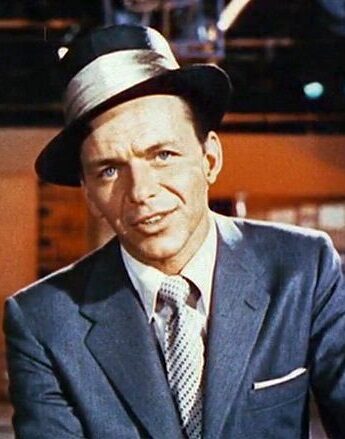
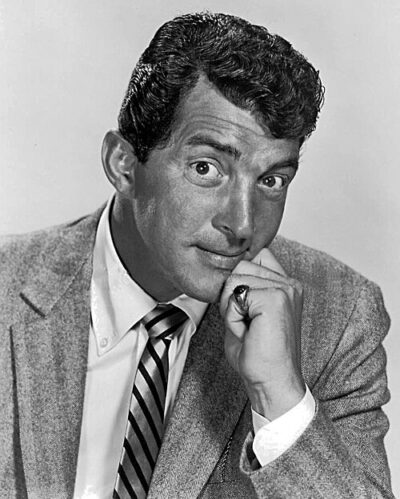
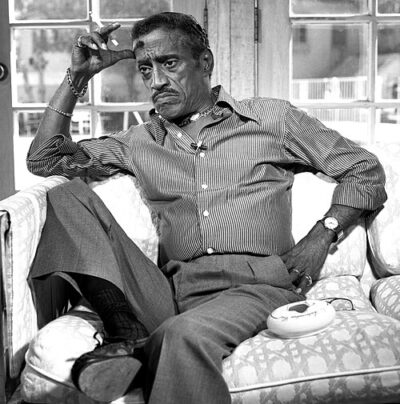
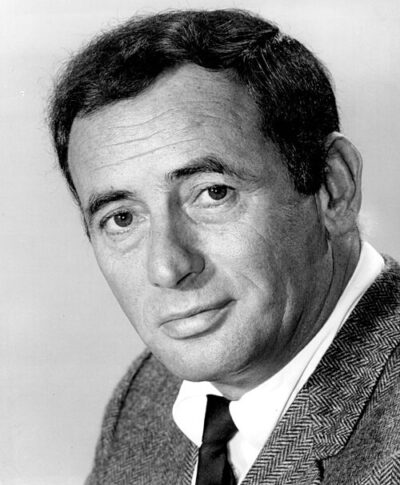
The Rat Pack was an informal group of singers that, in its second iteration, ultimately made films and appeared together in Las Vegas casino venues. They originated in the late 1940s and early 1950s as a group of A-list show business friends, such as Errol Flynn, Nat King Cole, Mickey Rooney, Judy Garland, Frank Sinatra and others who met casually at the Holmby Hills home of Humphrey Bogart and Lauren Bacall. In the 1960s, the group featured Sinatra, Dean Martin, Sammy Davis Jr., Joey Bishop, and (before falling out with Sinatra in 1962) Peter Lawford, among others. They appeared together on stage and in films in the 1950s and 1960s, including the films Ocean's 11 and Sergeants 3; after Lawford's expulsion, they filmed Robin and the 7 Hoods with Bing Crosby in what was to have been Lawford's role. Sinatra, Martin, and Davis were regarded as the group's lead members after Bogart's death, in 1957.
From the Wikipedia article “Rat Pack” (en.wikipedia.org/wiki/Rat_Pack), by its contributors, under CC BY-SA 4.0 (creativecommons.org/licenses/by-sa/4.0/). Copied 2026-11-16; not changed.
Confirmed Two sources agree. Cited One source, and it names where it got it. One source One source, without a reference of its own. Sources disagree The sources disagree. We show the best-supported value and keep theirs below.