Rawkus Records
Rawkus Records is an American record label. It was founded in 1996 by James Murdoch and Jarret Myer. Its headquarters are in New York City.
- Founded
- 1996
- Founded by
- James Murdoch
- Headquarters
- New York City
- Country
- United States
All 7 facts, and where they come from
Facts
7 facts · 0 confirmed by two sources · 0 cited · 7 from one source
Where this comes from
Papalocal keeps its own record. It started from these sources; what each one said is kept here as it was copied, so a change on their side never changes this page by itself. Tap one to read its version.
What Wikidata says · copied November 17, 2026 · revision 2277513133
- Described as
- American record label
- What it is
- record label
- Founded
- 1996
- Founded by
- James Murdoch; Jarret Myer
- Headquarters
- New York City
- Country
- United States
- Official website
- http://www.rawkus.com/
- Wikipedias with a page
- 9
Wikidata item Q1426154 (wikidata.org/wiki/Q1426154), public domain (CC0). Copied 2026-11-17.
What Wikipedia says · copied November 17, 2026 · revision 1384857969
Rawkus Records (or Rawkus Entertainment) is an American hip-hop record label, owned by James Murdoch, known for starting the careers of many rappers. Rawkus started in 1995 with releases in hip-hop, drum and bass and fun-dustrial (Dystopia One).
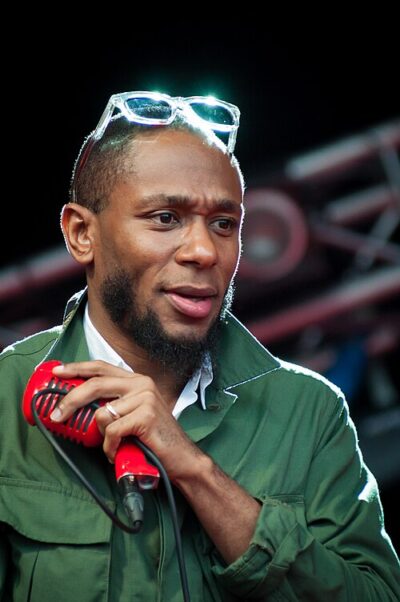
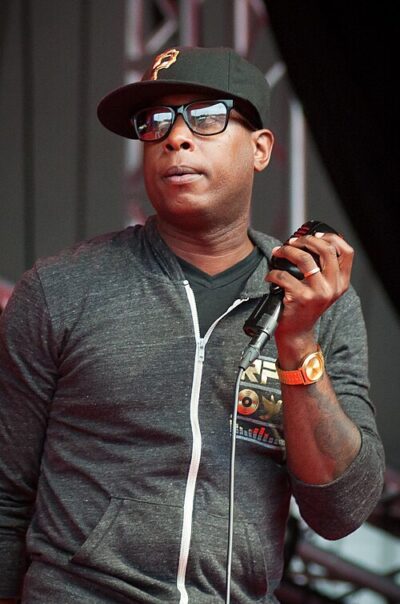
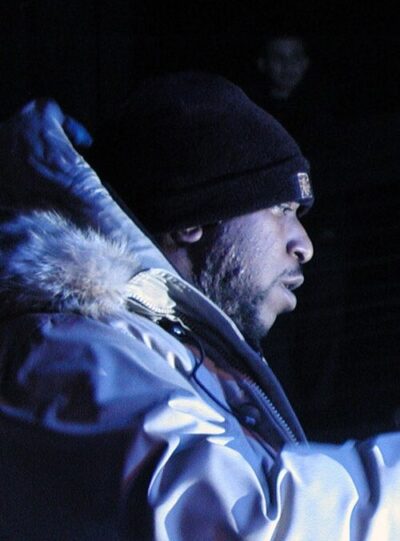
Label heads Brian Brater and Jarret Myer then signed some of the top underground talent from the New York area, notably Mos Def, Talib Kweli, Hi-Tek and Company Flow, who went on to define the label's sound. The string of 12" releases and full-length albums that followed helped initiate a resurgence in the New York/East Coast sound. Many of these are considered classics among hip-hop aficionados. During the mid to late 1990s, Rawkus became a dominant label in the underground hip-hop scene, producing a string of gold albums.
From the Wikipedia article “Rawkus Records” (en.wikipedia.org/wiki/Rawkus_Records), by its contributors, under CC BY-SA 4.0 (creativecommons.org/licenses/by-sa/4.0/). Copied 2026-11-17; not changed.
Confirmed Two sources agree. Cited One source, and it names where it got it. One source One source, without a reference of its own. Sources disagree The sources disagree. We show the best-supported value and keep theirs below.