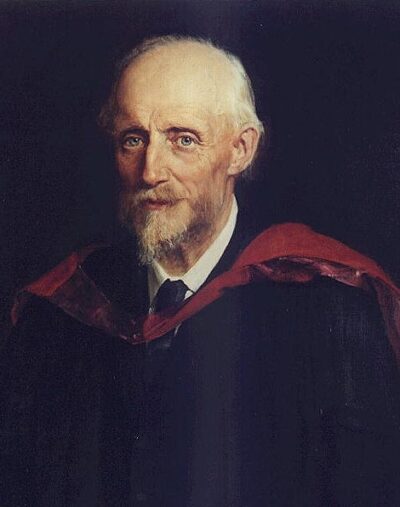
Reynolds Equation
Reynolds Equation is a differential equation describing pressure distribution of thin viscous fluids.
All 1 facts, and where they come from
Facts
1 facts · 0 confirmed by two sources · 0 cited · 1 from one source
Where this comes from
Papalocal keeps its own record. It started from these sources; what each one said is kept here as it was copied, so a change on their side never changes this page by itself. Tap one to read its version.
What Wikidata says · copied November 17, 2026 · revision 2445628090
- Described as
- differential equation describing pressure distribution of thin viscous fluids
- What it is
- physical theory
- Wikipedias with a page
- 7
Wikidata item Q7319639 (wikidata.org/wiki/Q7319639), public domain (CC0). Copied 2026-11-17.
What Wikipedia says · copied November 17, 2026 · revision 1314777479
In fluid mechanics (specifically lubrication theory), the Reynolds equation is a partial differential equation governing the pressure distribution of thin viscous fluid films. It was first derived by Osborne Reynolds in 1886. The classical Reynolds Equation can be used to describe the pressure distribution in nearly any type of fluid film bearing; a bearing type in which the bounding bodies are fully separated by a thin layer of liquid or gas.
From the Wikipedia article “Reynolds equation” (en.wikipedia.org/wiki/Reynolds_equation), by its contributors, under CC BY-SA 4.0 (creativecommons.org/licenses/by-sa/4.0/). Copied 2026-11-17; not changed.
Confirmed Two sources agree. Cited One source, and it names where it got it. One source One source, without a reference of its own. Sources disagree The sources disagree. We show the best-supported value and keep theirs below.