Rocky
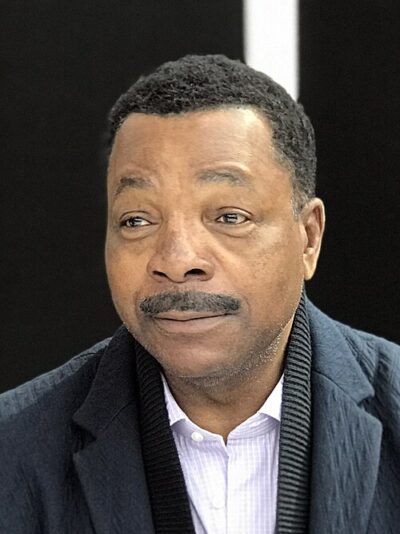
Rocky is a 1976 film directed by John Avildsen. It was directed by John G. Avildsen. It stars Talia Shire, Carl Weathers and Burt Young. It won the Academy Award for Best Picture and 3 more.
- Released
- 1976
- Directed by
- John G. Avildsen
- Genre
- drama film
- Country of origin
- United States
All 29 facts, and where they come from
Facts
29 facts · 0 confirmed by two sources · 4 cited · 25 from one source
Where this comes from
Papalocal keeps its own record. It started from these sources; what each one said is kept here as it was copied, so a change on their side never changes this page by itself. Tap one to read its version.
What Wikidata says · copied November 16, 2026 · revision 2568323756
- Described as
- 1976 film directed by John Avildsen
- What it is
- film
- Directed by
- John G. Avildsen
- Music by
- Bill Conti
- Screenplay by
- Sylvester Stallone
- Produced by
- Robert Chartoff; Irwin Winkler
- Starring
- Talia Shire; Carl Weathers; Burt Young; Burgess Meredith; Sylvester Stallone; Tony Burton; Thayer David; Joe Spinell; Joe Frazier; Stan Shaw
- Genre
- drama film; action film · 1 reference; boxing film
- Released
- November 21, 1976 · 1 reference
- Original language
- English
- Country of origin
- United States
- Part of the series
- Rocky
- Followed by
- Rocky II · 1 reference
- Awards
- Academy Award for Best Picture (1977) · 1 reference; Academy Award for Best Director (1977) · 1 reference; Academy Award for Best Film Editing (1977) · 1 reference; National Board of Review: Top Ten Films
- Official website
- http://bit.ly/RockyHeavyweightCollection · 1 reference
- Wikipedias with a page
- 72
Wikidata item Q188652 (wikidata.org/wiki/Q188652), public domain (CC0). Copied 2026-11-16.
What Wikipedia says · copied November 16, 2026 · revision 1385564682
Rocky is a 1976 American sports drama film directed by John G. Avildsen and written by and starring Sylvester Stallone. It is the first installment in the Rocky film series and also stars Talia Shire, Burt Young, Carl Weathers, and Burgess Meredith. In the film, Rocky Balboa (Stallone), a poor small-time club fighter and loanshark debt collector from Philadelphia, gets an unlikely once in a lifetime shot at the world heavyweight championship held by Apollo Creed (Weathers).
Rocky entered development in March 1975, after Stallone wrote the screenplay in three days. It entered a complicated production process after Stallone refused to allow the film to be made without him in the lead role; United Artists eventually agreed to cast Stallone after he rejected a six figure deal for the film rights. Principal photography began in January 1976, with filming primarily held in Philadelphia; several locations featured in the film, such as the Rocky Steps, are now considered cultural landmarks. With an estimated production budget of about $1 million, Rocky popularized the rags to riches and American Dream themes of sports dramas which preceded the film.
Rocky had its premiere at Cinema II in New York City on November 20, 1976. Rocky became the highest-grossing film of 1976, earning approximately $225 million worldwide. The film received critical acclaim for Stallone's writing, as well as the film's performances, direction, musical score, cinematography and editing; among other accolades, it received ten Academy Award nominations and won three, including Best Picture. It has been ranked by numerous publications as one of the greatest films of all time, as well as one of the most iconic sports films ever.
Rocky and its theme song have become a pop-cultural phenomenon and an important part of 1970s American popular culture. In 2006, the Library of Congress selected Rocky for preservation in the United States National Film Registry as being "culturally, historically or aesthetically significant". The first sequel in the series, Rocky II, was released in 1979.
From the Wikipedia article “Rocky” (en.wikipedia.org/wiki/Rocky), by its contributors, under CC BY-SA 4.0 (creativecommons.org/licenses/by-sa/4.0/). Copied 2026-11-16; not changed.
Confirmed Two sources agree. Cited One source, and it names where it got it. One source One source, without a reference of its own. Sources disagree The sources disagree. We show the best-supported value and keep theirs below.