Roman Holiday
Roman Holiday is a 1953 film directed by William Wyler. It stars Gregory Peck, Audrey Hepburn and Eddie Albert. It won the Academy Award for Best Actress and 3 more.
- Released
- August 27, 1953
- Directed by
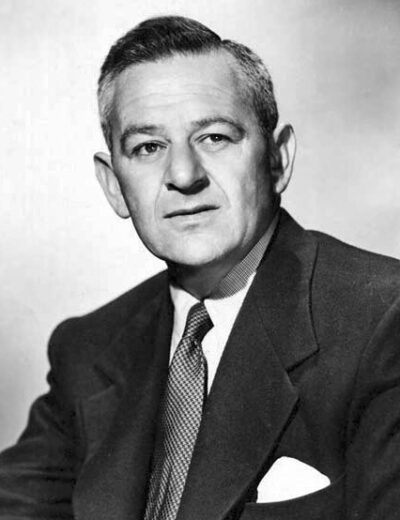
- William Wyler
- Genre
- romantic comedy film
- Country of origin
- United States
All 28 facts, and where they come from
Facts
28 facts · 0 confirmed by two sources · 14 cited · 14 from one source
Where this comes from
Papalocal keeps its own record. It started from these sources; what each one said is kept here as it was copied, so a change on their side never changes this page by itself. Tap one to read its version.
What Wikidata says · copied November 16, 2026 · revision 2567967320
- Described as
- 1953 film directed by William Wyler
- What it is
- film
- Directed by
- William Wyler · 3 references
- Music by
- Georges Auric; Victor Young
- Screenplay by
- Dalton Trumbo; Ian McLellan Hunter; John Dighton
- Produced by
- William Wyler
- Starring
- Gregory Peck · 4 references; Audrey Hepburn · 3 references; Eddie Albert · 3 references; Tullio Carminati · 1 reference; Paolo Carlini · 1 reference; Claudio Ermelli · 1 reference; Paola Borboni · 1 reference; Tania Weber · 1 reference; Arlette Poirier; Laura Solari · 1 reference
- Genre
- romantic comedy film; comedy film; drama film · 1 reference
- Released
- August 27, 1953 · 1 reference; September 2, 1953 · 1 reference; December 10, 1953 · 1 reference
- Original language
- English
- Country of origin
- United States
- Awards
- Academy Award for Best Actress (1954) · 1 reference; Academy Award for Best Story (1954) · 1 reference; Academy Award for Best Costume Design, Black-and-White (1954) · 1 reference; National Board of Review: Top Ten Films
- Wikipedias with a page
- 70
Wikidata item Q201293 (wikidata.org/wiki/Q201293), public domain (CC0). Copied 2026-11-16.
What Wikipedia says · copied November 16, 2026 · revision 1378357642
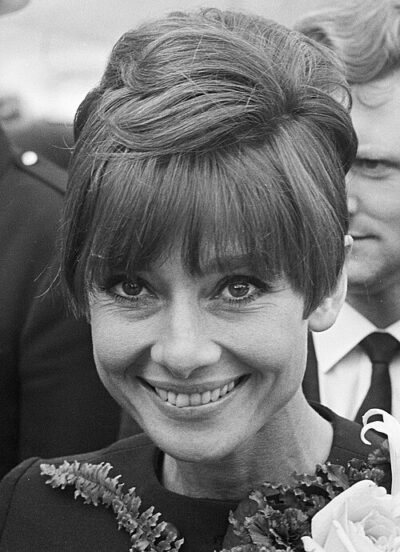
Roman Holiday is a 1953 American romantic comedy film directed and produced by William Wyler. It stars Audrey Hepburn as a princess out to see Rome on her own and Gregory Peck as a reporter. Hepburn won an Academy Award for Best Actress for her performance; the film also won the Academy Award for Best Story and the Academy Award for Best Costume Design.
The script was written by Dalton Trumbo and John Dighton, though with Trumbo on the Hollywood blacklist, he did not receive a credit, and Ian McLellan Hunter fronted for him. Trumbo's name was reinstated when the film was released on DVD in 2003, and on December 19, 2011, full credit for Trumbo's work was restored. Blacklisted director Bernard Vorhaus worked on the film as an assistant director under a pseudonym.
The film was shot at the Cinecittà studios and on location around Rome during the "Hollywood on the Tiber" era. The film opened the 14th Venice International Film Festival within the official program. In 1999, Roman Holiday was selected for preservation in the United States National Film Registry by the Library of Congress as being "culturally, historically, or aesthetically significant". The film has been considered one of the most romantic films in cinema history.
From the Wikipedia article “Roman Holiday” (en.wikipedia.org/wiki/Roman_Holiday), by its contributors, under CC BY-SA 4.0 (creativecommons.org/licenses/by-sa/4.0/). Copied 2026-11-16; not changed.
Confirmed Two sources agree. Cited One source, and it names where it got it. One source One source, without a reference of its own. Sources disagree The sources disagree. We show the best-supported value and keep theirs below.
Picture: Wikimedia Commons: Hepburn Peck 1953.jpg · See Commons file page