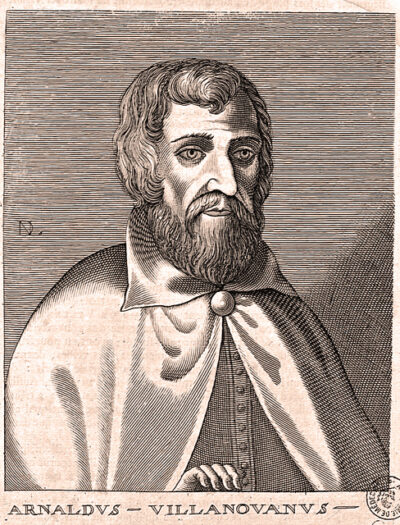
Rosary of the Philosophers
Rosary of the Philosophers is a book by Arnaldus de Villa Nova.
- Written by
- Arnaldus de Villa Nova
- Genre
- treatise
All 4 facts, and where they come from
Facts
4 facts · 0 confirmed by two sources · 0 cited · 4 from one source
Where this comes from
Papalocal keeps its own record. It started from these sources; what each one said is kept here as it was copied, so a change on their side never changes this page by itself. Tap one to read its version.
What Wikidata says · copied November 17, 2026 · revision 2553220483
- Described as
- book by Arnaldus de Villa Nova
- What it is
- reference work
- Written by
- Arnaldus de Villa Nova
- Genre
- treatise
- Language
- medieval Latin
- Wikipedias with a page
- 9
Wikidata item Q2246472 (wikidata.org/wiki/Q2246472), public domain (CC0). Copied 2026-11-17.
What Wikipedia says · copied November 17, 2026 · revision 1377593307
The Rosary of the Philosophers (Rosarium philosophorum sive pretiosissimum donum Dei) is a 16th-century alchemical treatise. It was published in 1550 as part II of De Alchimia Opuscula complura veterum philosophorum (Frankfurt). The term rosary in the title is unrelated to the Catholic prayer beads; it refers to a "rose garden", metaphoric of an anthology or collection of wise sayings.
The 1550 print includes a series of 20 woodcuts with German-language captions, plus a title page showing a group of philosophers disputing about the production of the lapis philosophorum.
Some of the woodcut images have precedents in earlier (15th-century) German alchemical literature, especially in the Buch der heiligen Dreifaltigkeit (ca. 1410) which has the direct precedents of woodcuts 10, 17 and 19, allegorical of the complete hieros gamos, nrs. 10 and 17 in the form of the "Hermetic androgyne" and nr. 19 in terms of Christian iconography, showing Mary flanked by the Father, Son and Holy Spirit.
The Artis auriferae, printed in 1572 in Basel, reproduced the 20 illustrations as re-cut woodcuts.
Johann Daniel Mylius' Philosophia reformata of 1622 also includes the twenty Rosarium images, re-designed in early 17th-century style by Balthazar Swan.
From the Wikipedia article “Rosary of the Philosophers” (en.wikipedia.org/wiki/Rosary_of_the_Philosophers), by its contributors, under CC BY-SA 4.0 (creativecommons.org/licenses/by-sa/4.0/). Copied 2026-11-17; not changed.
Confirmed Two sources agree. Cited One source, and it names where it got it. One source One source, without a reference of its own. Sources disagree The sources disagree. We show the best-supported value and keep theirs below.
Picture: Wikimedia Commons: Roi et Reine Alchimie.jpg · See Commons file page