rosh yeshiva
Rosh yeshiva is a head of a yeshiva.
All 3 facts, and where they come from
Facts
3 facts · 0 confirmed by two sources · 0 cited · 3 from one source
Where this comes from
Papalocal keeps its own record. It started from these sources; what each one said is kept here as it was copied, so a change on their side never changes this page by itself. Tap one to read its version.
What Wikidata says · copied November 17, 2026 · revision 2569831929
- Described as
- head of a yeshiva
- What it is
- profession; position; occupation
- Wikipedias with a page
- 11
Wikidata item Q2308372 (wikidata.org/wiki/Q2308372), public domain (CC0). Copied 2026-11-17.
What Wikipedia says · copied November 17, 2026 · revision 1385965691
Rosh yeshiva or Rosh Hayeshiva (Hebrew: ראש ישיבה, pl. Hebrew: ראשי ישיבה, roshei yeshiva, rashe yeshiva; Anglicized pl. rosh yeshivas) is the title given to the dean of a yeshiva, a Jewish educational institution that focuses on the study of traditional religious texts, primarily the Talmud and the Torah, and halakha (Jewish law).
The general role of the rosh yeshiva is to oversee the Talmudic studies and practical matters. The rosh yeshiva will often give the highest shiur (class) and is also the one to decide whether to grant permission for students to undertake classes for rabbinical ordination, known as semicha.
The term is a compound of the Hebrew words rosh ("head") and yeshiva (a school of religious Jewish education). The rosh yeshiva is required to have a comprehensive knowledge of the Talmud and the ability to analyse and present new perspectives, called chidushim (novellae) verbally and often in print.
In some institutions, such as YU's Rabbi Isaac Elchanan Theological Seminary, the title of rosh yeshiva is given to many rabbis and the dean of the yeshiva is known as the rosh ha-yeshiva.
From the Wikipedia article “Rosh yeshiva” (en.wikipedia.org/wiki/Rosh_yeshiva), by its contributors, under CC BY-SA 4.0 (creativecommons.org/licenses/by-sa/4.0/). Copied 2026-11-17; not changed.
Confirmed Two sources agree. Cited One source, and it names where it got it. One source One source, without a reference of its own. Sources disagree The sources disagree. We show the best-supported value and keep theirs below.
People connected 4
Held this office
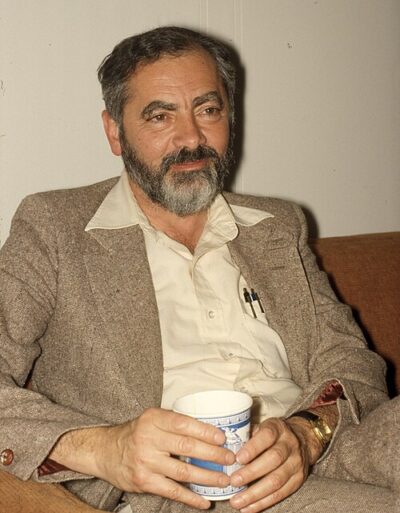 Meir Kahane (1986–1990)Rabbi, writer and far right American-Israeli politician (1932–1990)
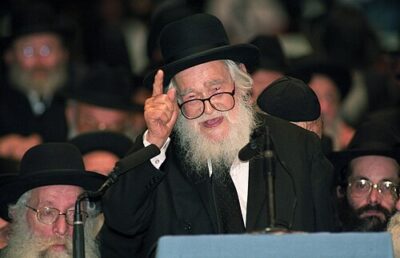 Elazar Shach (1934–1935)Lithuanian-Jewish Haredi leader (1898-2001)
- JJoseph B. SoloveitchikAmerican rabbi and theologian (1903–1993)