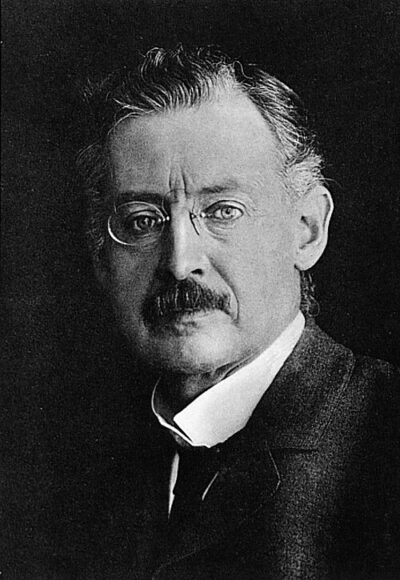
Runge–Kutta method
Runge–Kutta method is a family of implicit and explicit iterative methods.
All 3 facts, and where they come from
Facts
3 facts · 0 confirmed by two sources · 0 cited · 3 from one source
Where this comes from
Papalocal keeps its own record. It started from these sources; what each one said is kept here as it was copied, so a change on their side never changes this page by itself. Tap one to read its version.
What Wikidata says · copied November 17, 2026 · revision 2559536778
- Described as
- family of implicit and explicit iterative methods
- Other names
- Runge-Kutta, RK, Runge-Kutta method, RK method
- What it is
- theorem
- Named after
- Carl David Tolmé Runge; Martin Wilhelm Kutta
- Wikipedias with a page
- 35
Wikidata item Q725944 (wikidata.org/wiki/Q725944), public domain (CC0). Copied 2026-11-17.
What Wikipedia says · copied November 17, 2026 · revision 1382197700
In numerical analysis, the Runge–Kutta methods (English: RUUNG-ə-KUUT-tah) are a family of explicit and implicit iterative methods, which include the Euler method, used in discretization for the approximate solutions of differential equations. These methods were developed around 1900 by the German mathematicians Carl Runge and Wilhelm Kutta.
From the Wikipedia article “Runge–Kutta methods” (en.wikipedia.org/wiki/Runge–Kutta_methods), by its contributors, under CC BY-SA 4.0 (creativecommons.org/licenses/by-sa/4.0/). Copied 2026-11-17; not changed.
Confirmed Two sources agree. Cited One source, and it names where it got it. One source One source, without a reference of its own. Sources disagree The sources disagree. We show the best-supported value and keep theirs below.