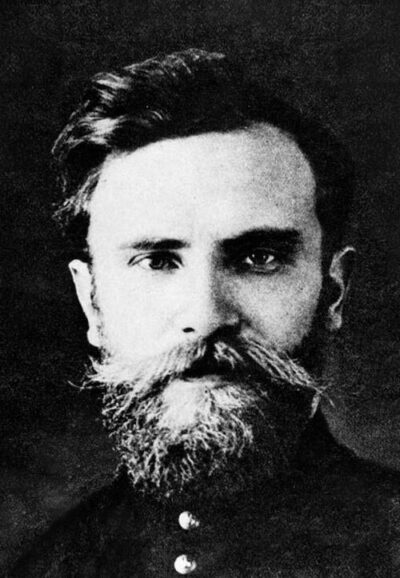
Russian Fascist Organization
The Russian Fascist Organization is a political organization. It was founded in 1925. Its headquarters are in Harbin. It stands for fascism, Russian nationalism and anti-communism.
- Founded
- 1925
- Ideology
- fascism
- Chair
- N. I. Nikiforov
All 8 facts, and where they come from
Facts
8 facts · 0 confirmed by two sources · 0 cited · 8 from one source
Where this comes from
Papalocal keeps its own record. It started from these sources; what each one said is kept here as it was copied, so a change on their side never changes this page by itself. Tap one to read its version.
What Wikidata says · copied November 18, 2026 · revision 2556102925
- Described as
- organization
- What it is
- political organization
- Founded
- 1925 · 1 reference
- Ended
- May 26, 1931
- Headquarters
- Harbin
- Chair
- N. I. Nikiforov
- Ideology
- fascism; Russian nationalism; anti-communism
- Wikipedias with a page
- 4
Wikidata item Q17016627 (wikidata.org/wiki/Q17016627), public domain (CC0). Copied 2026-11-18.
What Wikipedia says · copied November 18, 2026 · revision 1383487133
Russian Fascist Organization (RFO) was the name adopted by a Russian émigré group active in Manchuria before World War II.
The RFO was formed in 1925 by members of the law faculty at Harbin Normal University. Under the leadership of Nikolai Nikiforov, it looked to Italian fascism for inspiration and produced the 'Theses of Russian Fascism' in 1927. The RFO smuggled some propaganda into the Soviet Union, although this was brought to the attention of China who banned the group from publishing such works. In 1931 the RFO absorbed into the newly founded Russian Fascist Party (RFP) under the leadership of Konstantin Rodzaevsky.
From the Wikipedia article “Russian Fascist Organization” (en.wikipedia.org/wiki/Russian_Fascist_Organization), by its contributors, under CC BY-SA 4.0 (creativecommons.org/licenses/by-sa/4.0/). Copied 2026-11-18; not changed.
Confirmed Two sources agree. Cited One source, and it names where it got it. One source One source, without a reference of its own. Sources disagree The sources disagree. We show the best-supported value and keep theirs below.