Ruthenian Peasants Party
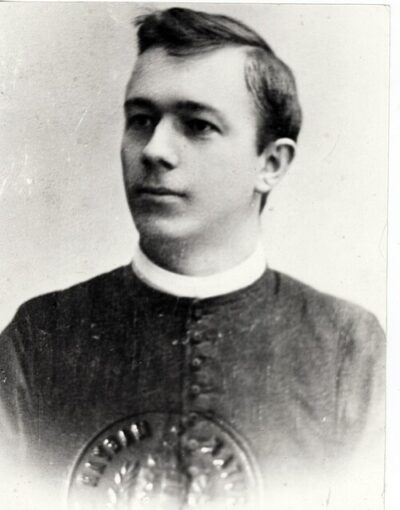
The Ruthenian Peasants Party is a political party in Czechoslovakia. It was founded in 1920 by Avhustyn Voloshyn, Yulii Brashchaiko and Augustyn Sztefan.
- Country
- First Czechoslovak Republic
- Founded
- 1920
All 7 facts, and where they come from
Facts
7 facts · 0 confirmed by two sources · 2 cited · 5 from one source
Where this comes from
Papalocal keeps its own record. It started from these sources; what each one said is kept here as it was copied, so a change on their side never changes this page by itself. Tap one to read its version.
What Wikidata says · copied November 18, 2026 · revision 1913709924
- Described as
- political party in Czechoslovakia
- What it is
- political party
- Founded
- 1920 · 2 references
- Ended
- 1938 · 1 reference
- Founded by
- Avhustyn Voloshyn; Yulii Brashchaiko; Augustyn Sztefan
- Country
- First Czechoslovak Republic · 1 reference
- Wikipedias with a page
- 3
Wikidata item Q9324108 (wikidata.org/wiki/Q9324108), public domain (CC0). Copied 2026-11-18.
What Wikipedia says · copied November 18, 2026 · revision 1371054726
Ruthenian [Bread-producing] Peasants Party (Rusyn: Руська хліборобська партія, romanized: Ruska khliborobska partiya), also known as the Ruthenian National Christian Party, was a political party in Czechoslovakia. The party was founded in 1920. The most prominent personality in the party was Avgustyn Voloshyn, a renowned linguist from Uzhhorod. The party published the weekly newspaper Svoboda.
In 1923, the party changed name to Christian People's Party (Rusyn: Християнсько-народна партія, romanized: Christijansko-narodna partija). In 1924, the party merged into the Czechoslovak People's Party. The Czechoslovak People's Party kept the name "Christian People's Party" in Subcarpathian Rus'.
From the Wikipedia article “Ruthenian Peasants Party” (en.wikipedia.org/wiki/Ruthenian_Peasants_Party), by its contributors, under CC BY-SA 4.0 (creativecommons.org/licenses/by-sa/4.0/). Copied 2026-11-18; not changed.
Confirmed Two sources agree. Cited One source, and it names where it got it. One source One source, without a reference of its own. Sources disagree The sources disagree. We show the best-supported value and keep theirs below.