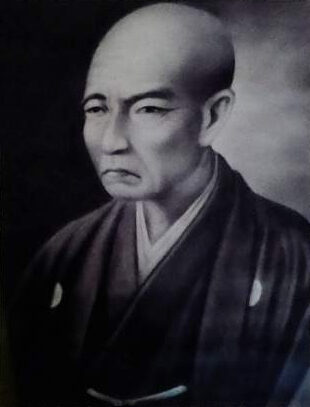
Saga Domain
Saga Domain is a Japanese historical estate in Hizen province. It was founded by Nabeshima Naoshige. Its headquarters are in Saga Castle.
- Founded by
- Nabeshima Naoshige
- Headquarters
- Saga Castle
- Country
- Japan
All 6 facts, and where they come from
Facts
6 facts · 0 confirmed by two sources · 0 cited · 6 from one source
Where this comes from
Papalocal keeps its own record. It started from these sources; what each one said is kept here as it was copied, so a change on their side never changes this page by itself. Tap one to read its version.
What Wikidata says · copied November 17, 2026 · revision 2566264019
- Described as
- Japanese historical estate in Hizen province
- Other names
- Hizen Domain, Nabeshima Domain
- What it is
- han
- Ended
- 1871
- Founded by
- Nabeshima Naoshige
- Headquarters
- Saga Castle
- Located in
- Hizen Province
- Country
- Japan
- Wikipedias with a page
- 15
Wikidata item Q2975995 (wikidata.org/wiki/Q2975995), public domain (CC0). Copied 2026-11-17.
What Wikipedia says · copied November 17, 2026 · revision 1368885652
Saga Domain (佐賀藩, Saga-han) was a Japanese domain of the Edo period Tokugawa Shogunate. It encompassed most of what are now Saga and Nagasaki Prefectures and was ruled from Saga Castle in what is now the urban center of the city of Saga. It was ruled through its history by the tozama daimyō Nabeshima clan. The domain was also referred to as Hizen Domain (肥前藩) after its location in Hizen Province or Nabeshima Domain (鍋島藩) after its ruling clan. The domain played a significant role in the Meiji Restoration.
Though the Dutch and Chinese trading posts in Nagasaki were overseen directly by officials of the Tokugawa shogunate, the domain was largely responsible for the military defense of the city and the port.
From the Wikipedia article “Saga Domain” (en.wikipedia.org/wiki/Saga_Domain), by its contributors, under CC BY-SA 4.0 (creativecommons.org/licenses/by-sa/4.0/). Copied 2026-11-17; not changed.
Confirmed Two sources agree. Cited One source, and it names where it got it. One source One source, without a reference of its own. Sources disagree The sources disagree. We show the best-supported value and keep theirs below.