Sam Adams Award
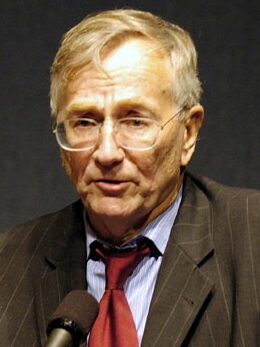
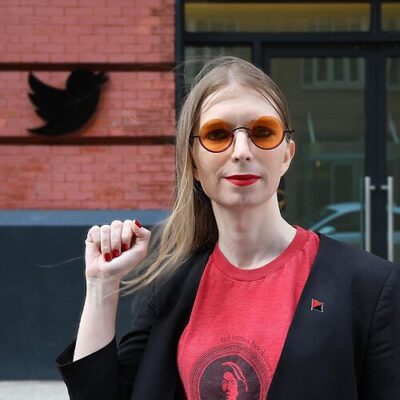
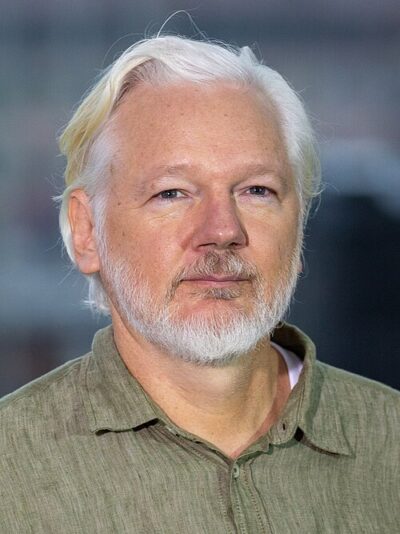
Sam Adams Award is an award given annually to an intelligence professional who has taken a stand for integrity and ethics. It was created in 2002.
- Country
- United States
- Created
- 2002
All 5 facts, and where they come from
Facts
5 facts · 0 confirmed by two sources · 0 cited · 5 from one source
Where this comes from
Papalocal keeps its own record. It started from these sources; what each one said is kept here as it was copied, so a change on their side never changes this page by itself. Tap one to read its version.
What Wikidata says · copied November 16, 2026 · revision 2433273076
- Described as
- award given annually to an intelligence professional who has taken a stand for integrity and ethics
- What it is
- journalism prize
- Created
- 2002
- Country
- United States
- Named after
- Samuel A. Adams
- Official website
- https://samadamsaward.ch
- Wikipedias with a page
- 11
Wikidata item Q7407078 (wikidata.org/wiki/Q7407078), public domain (CC0). Copied 2026-11-16.
What Wikipedia says · copied November 16, 2026 · revision 1383838894
The Sam Adams Award is given annually since 2002 to an intelligence professional who has taken a stand for integrity and ethics. The award is granted by the Sam Adams Associates for Integrity in Intelligence, a group of retired CIA officers. It is named after Samuel A. Adams, a CIA whistleblower during the Vietnam War, and takes the physical form of a "corner-brightener candlestick".
Ray McGovern established the Sam Adams Associates "to reward intelligence officials who demonstrated a commitment to truth and integrity, no matter the consequences."
The 2012, 2013, and 2014 awards were presented at the Oxford Union.
From the Wikipedia article “Sam Adams Award” (en.wikipedia.org/wiki/Sam_Adams_Award), by its contributors, under CC BY-SA 4.0 (creativecommons.org/licenses/by-sa/4.0/). Copied 2026-11-16; not changed.
Confirmed Two sources agree. Cited One source, and it names where it got it. One source One source, without a reference of its own. Sources disagree The sources disagree. We show the best-supported value and keep theirs below.