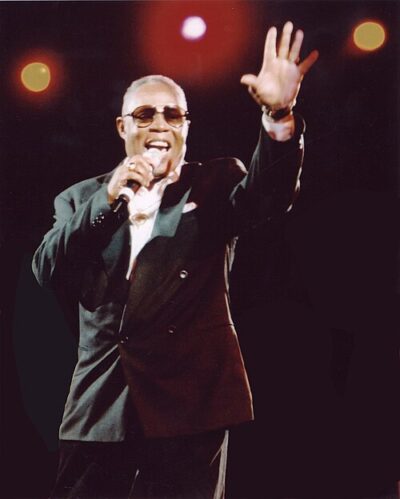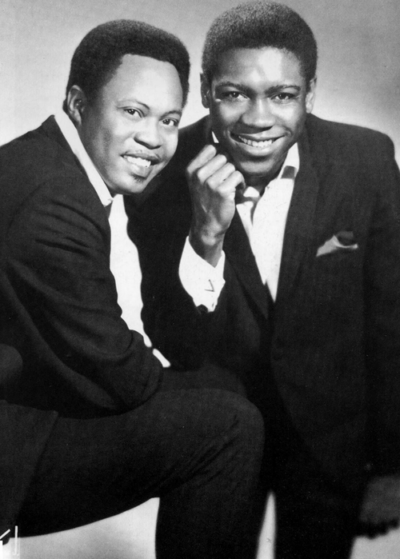
Sam & Dave
Sam & Dave is an American soul and R&B duo. It was founded in 1961. It won the Rock and Roll Hall of Fame.
- Founded
- 1961
All 9 facts, and where they come from
Facts
9 facts · 0 confirmed by two sources · 0 cited · 9 from one source
Where this comes from
Papalocal keeps its own record. It started from these sources; what each one said is kept here as it was copied, so a change on their side never changes this page by itself. Tap one to read its version.
What Wikidata says · copied November 17, 2026 · revision 2513829243
- Described as
- American soul and R&B duo
- Other names
- Sam and Dave
- What it is
- musical duo; male duo
- Genre
- soul
- Country of origin
- United States
- Record label
- Atlantic Records; Roulette
- Founded
- 1961
- Awards
- Rock and Roll Hall of Fame (1992) · 1 reference
- Official website
- http://www.sammoore.net/
- Wikipedias with a page
- 21
Wikidata item Q1545232 (wikidata.org/wiki/Q1545232), public domain (CC0). Copied 2026-11-17.
What Wikipedia says · copied November 17, 2026 · revision 1382685207
Sam & Dave were an American soul and R&B duo who performed together from 1961 until 1981. The tenor (higher) voice was Sam Moore (1935–2025) and the baritone/tenor (lower) voice was Dave Prater (1937–1988).
Nicknamed "Double Dynamite", "The Sultans of Sweat", and "The Dynamic Duo" for their gritty, gospel-infused performances, Sam & Dave are considered one of the greatest live acts of the 1960s. Many subsequent musicians have named them as an influence, including Bruce Springsteen, Al Green, Tom Petty, Phil Collins, Michael Jackson, Steve Van Zandt, Elvis Costello, The Jam, Teddy Pendergrass, Billy Joel, and Steve Winwood. The Blues Brothers, who helped create a resurgence of popularity for soul, R&B, and blues in the 1980s, were influenced by Sam & Dave – their biggest hit was a cover of "Soul Man", and their act and stage show contained many homages to the duo.
According to the Rock & Roll Hall of Fame, Sam & Dave were the most successful soul duo and brought the sounds of the black gospel church to pop music with their call-and-response records. Recorded primarily at Stax Records in Memphis, Tennessee, from 1965 through 1968, these included "Soul Man", "Hold On, I'm Comin'", "You Don't Know Like I Know", "I Thank You", "When Something Is Wrong with My Baby", "Wrap It Up", and many other Southern Soul classics. Except for Aretha Franklin, no soul act during Sam & Dave's Stax years (1965–1968) had more consistent R&B chart success, including 10 consecutive top-20 singles and three consecutive top-10 LPs. Their crossover charts appeal (13 straight appearances and two top-10 singles) helped to pave the way for the acceptance of soul music by white pop audiences, and their song "Soul Man" was one of the first songs by a black group to top the pop charts using the word "soul", helping define the genre. "Soul Man" was a number-one Pop Hit (Cashbox: November 11, 1967) and has been recognized as one of the most influential songs of the past 50 years by the Grammy Hall of Fame, the Rock & Roll Hall of Fame, Rolling Stone magazine, and RIAA Songs of the Century. "Soul Man" was featured as the soundtrack and title for a 1986 film and also a 1997–1998 television series, and Soul Men was a 2008 feature film.
Sam & Dave are inductees in the Rock and Roll Hall of Fame, the Vocal Group Hall of Fame, the Memphis Music Hall of Fame, and the Rhythm & Blues Music Hall of Fame. They won a Grammy Award for "Soul Man" and they received the Grammy Lifetime Achievement Award in 2019. Rolling Stone ranked Sam & Dave No. 14 on its list of the 20 Greatest Duos of All Time.
From the Wikipedia article “Sam & Dave” (en.wikipedia.org/wiki/Sam_&_Dave), by its contributors, under CC BY-SA 4.0 (creativecommons.org/licenses/by-sa/4.0/). Copied 2026-11-17; not changed.
Confirmed Two sources agree. Cited One source, and it names where it got it. One source One source, without a reference of its own. Sources disagree The sources disagree. We show the best-supported value and keep theirs below.
Picture: Stax, via Wikimedia Commons · Public domain