
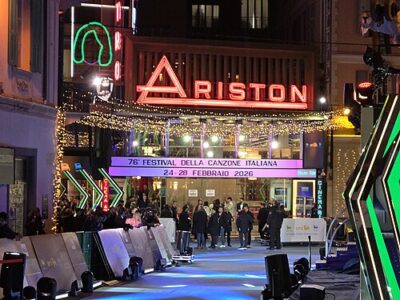
Sanremo Music Festival
Sanremo Music Festival is a popular Italian song contest. It came out in 1951. It won the Premio Regia Televisiva 1996 and 7 more.
- Came out
- 1951
- Genre
- entertainment television program
- Country of origin
- Italy
All 20 facts, and where they come from
Facts
20 facts · 0 confirmed by two sources · 0 cited · 20 from one source
Where this comes from
Papalocal keeps its own record. It started from these sources; what each one said is kept here as it was copied, so a change on their side never changes this page by itself. Tap one to read its version.
What Wikidata says · copied November 17, 2026 · revision 2565916891
- Described as
- popular Italian song contest
- Other names
- Festival di Sanremo, Festival della canzone italiana
- What it is
- music festival; television program; annual music competition
- Genre
- entertainment television program; music television
- Original language
- Italian
- Country of origin
- Italy
- Came out
- 1951
- Founded by
- Angelo Nizza
- Headquarters
- Sanremo
- Located in
- Sanremo
- Awards
- Premio Regia Televisiva 1996; 2000 Premio Regia Televisiva; Telegatto; 2002 Premio Regia Televisiva; 2003 Premio Regia Televisiva; 2007 Premio Regia Televisiva; 2009 Premio Regia Televisiva; 2010 Premio Regia Televisiva
- Official website
- https://www.rai.it/programmi/sanremo/
- Wikipedias with a page
- 57
Wikidata item Q206959 (wikidata.org/wiki/Q206959), public domain (CC0). Copied 2026-11-17.
What Wikipedia says · copied November 17, 2026 · revision 1383676623
The Sanremo Music Festival (Italian: Festival di Sanremo [ˈfɛstival di sanˈrɛːmo, festiˈval -]), officially the Italian Song Festival (Italian: Festival della canzone italiana), is the most popular Italian song contest and awards ceremony, held annually in the city of Sanremo, Liguria, organized and broadcast by Radiotelevisione italiana (RAI). It is the longest-running annual TV music competition in the world on a national level (making it one of the world's longest-running television programmes) and it is also the basis and inspiration for the annual Eurovision Song Contest and the Viña del Mar International Song Festival.
Unlike other awards in Italy, the Sanremo Music Festival is a competition for new songs, not an award to previous successes (like the Premio regia televisiva for television, the Premio Ubu for stage performances, and the Premio David di Donatello for motion pictures).
The first edition of the Sanremo Music Festival, held between 29 and 31 January 1951, was broadcast by RAI's radio station Rete Rossa, and its only three participants were Nilla Pizzi, Achille Togliani, and Duo Fasano. Starting from 1955, all editions of the festival have been broadcast live by the Italian TV station Rai 1.
From 1951 to 1976, the festival took place in the Sanremo Casino, but starting from 1977, all the following editions were held in the Teatro Ariston, except in 1990, which was held at the Nuovo Mercato dei Fiori.
The songs selected in the competition are in Italian or in any regional language, and the three most voted songs are awarded. Other special awards are also given, including the Critics' Award, created ad hoc by the press in 1982 to reward the quality of Mia Martini's song, and named after the singer in 1996, after her death.
The Sanremo Music Festival has often been used as a method for choosing the Italian entry for the Eurovision Song Contest. However, unlike other competitions elsewhere, like Sweden's Melodifestivalen, this is only a secondary purpose of the festival, and Sanremo winners are often given right of first refusal in regards to their Eurovision participation. It has launched the careers of some of Italy's most successful musical acts, including Toto Cutugno, Gigliola Cinquetti,
Laura Pausini, Eros Ramazzotti, Andrea Bocelli, Giorgia, Il Volo, and Måneskin.
Between 1953 and 1971 (except in 1956), in 1990, and 1991, each song was sung twice by two different artists, each one using an individual orchestral arrangement, to illustrate the meaning of the festival as a composers' competition, not a singers' competition. During this era of the festival, it was custom that one version of the song was performed by a native Italian artist while the other version was performed by an international guest artist. This became a way for many international artists to debut their songs on the Italian market, including Louis Armstrong, Ray Charles, Stevie Wonder, Cher, Gloria Gaynor, Dionne Warwick, Jose Feliciano, Roberto Carlos, Paul Anka, Miriam Makeba, Bonnie Tyler, Shirley Bassey, Mungo Jerry, Kiss, Laura Branigan, Alla Pugacheva, and many others.
From the Wikipedia article “Sanremo Music Festival” (en.wikipedia.org/wiki/Sanremo_Music_Festival), by its contributors, under CC BY-SA 4.0 (creativecommons.org/licenses/by-sa/4.0/). Copied 2026-11-17; not changed.
Confirmed Two sources agree. Cited One source, and it names where it got it. One source One source, without a reference of its own. Sources disagree The sources disagree. We show the best-supported value and keep theirs below.
Picture: Ferdinando Traversa, via Wikimedia Commons · CC BY-SA 4.0
People connected 32
Won it 32
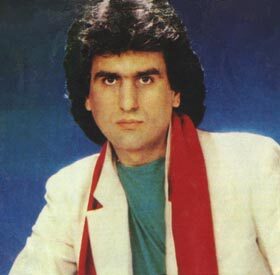 Toto Cutugno (1980)Italian recording artist; musician, songwriter, record producer (1943–2023)
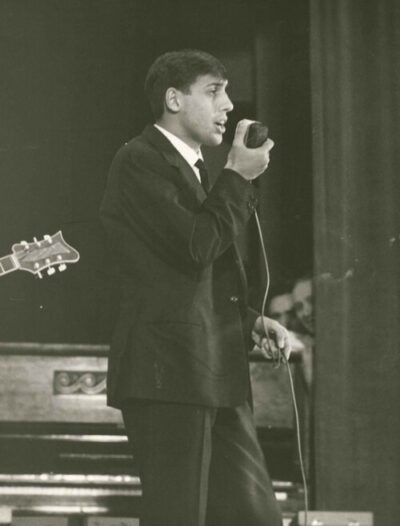 Adriano CelentanoItalian musician and actor (born 1938)
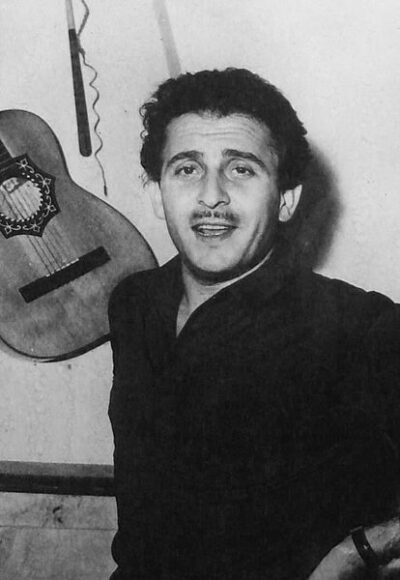 Domenico ModugnoItalian singer, actor and politician (1928–1994)
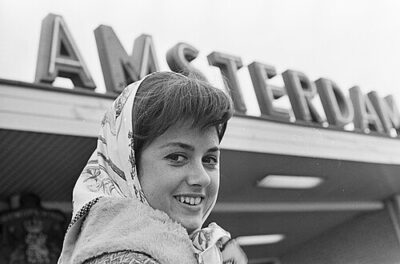 Gigliola CinquettiItalian singer (1947-)
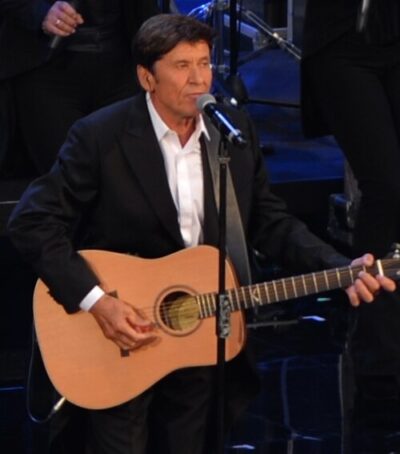 Gianni MorandiItalian singer (born 1944)
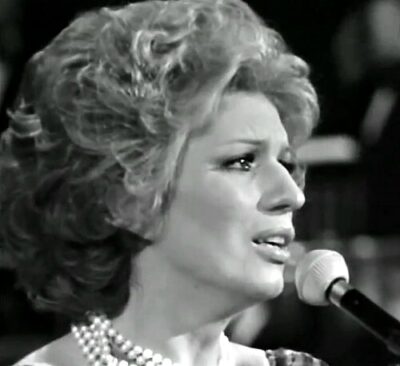 Iva ZanicchiItalian singer and politician
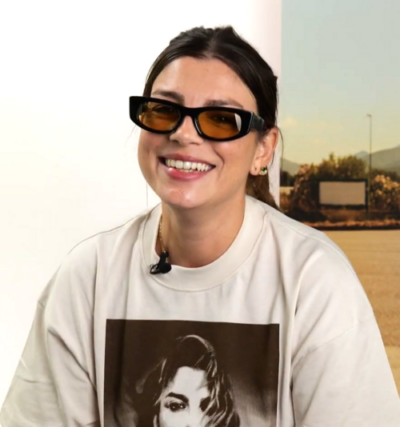 EmmaItalian singer-songwriter and actress
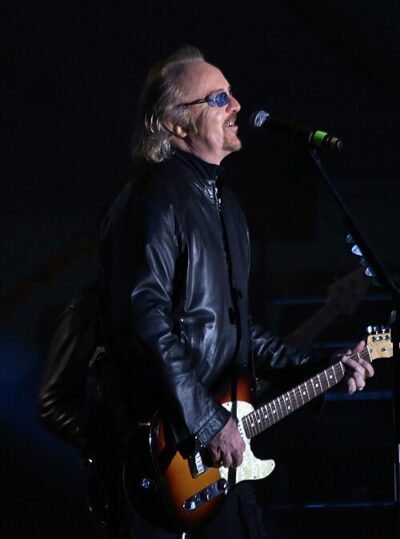 Umberto TozziItalian singer-songwriter (born 1952)
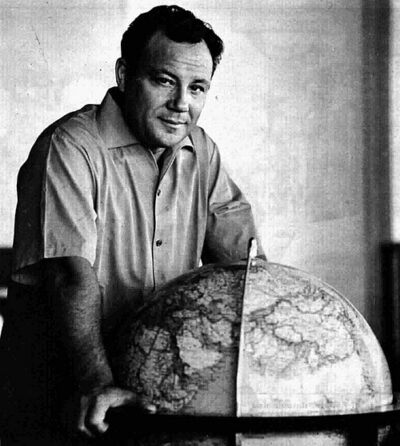 Claudio VillaItalian singer and actor (1926–1987)
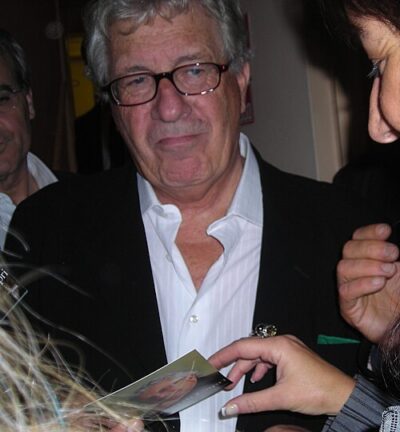 Peppino di CapriItalian singer and actor (1939–2026)
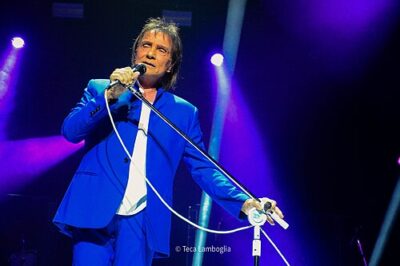 Roberto CarlosBrazilian singer-songwriter
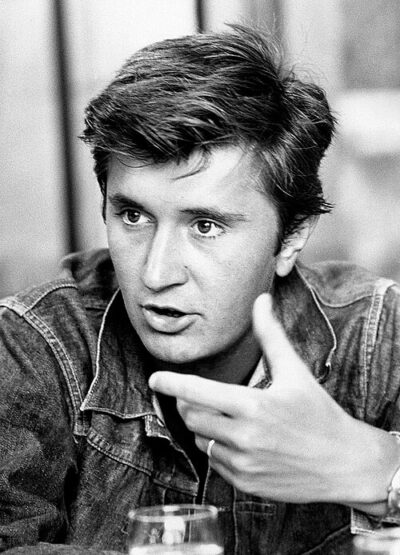 Bobby SoloItalian singer (1945)
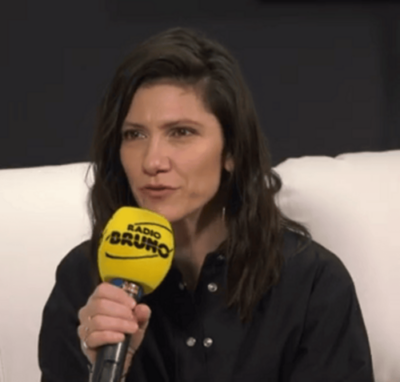 ElisaItalian singer-songwriter (born 1977)
 Massimo RanieriItalian actor and singer (born 1951)
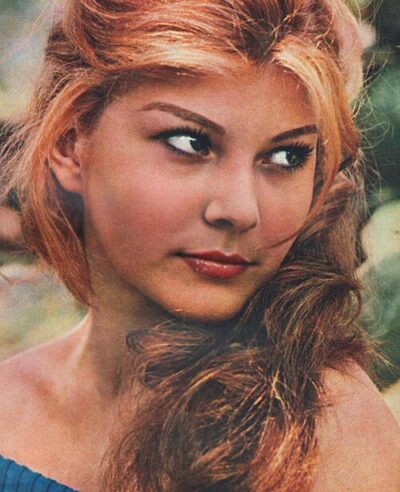 Claudia MoriItalian actress, singer, TV producer (born 1944)
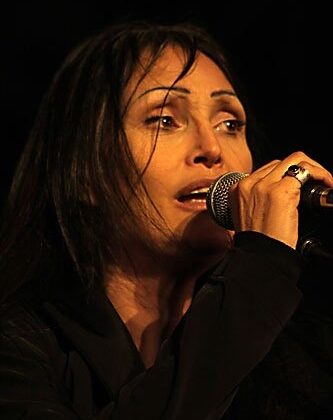 Anna OxaItalian singer
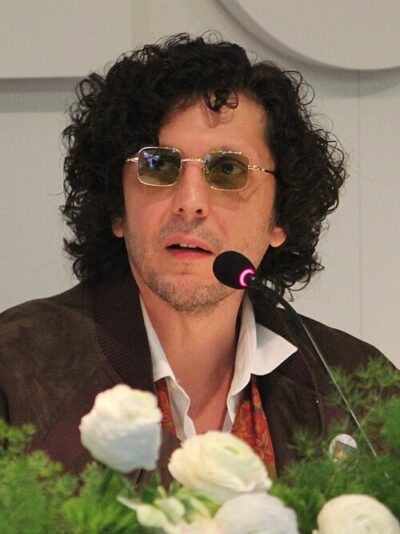 Ermal MetaAlbanian-Italian singer-songwriter
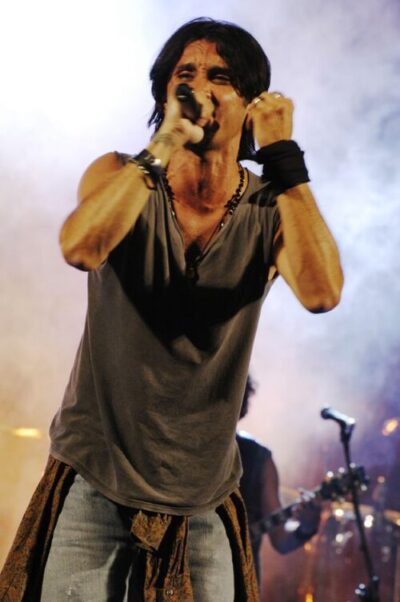 Fabrizio MoroItalian singer songwriter (1975-)
 Franca RaimondiItalian singer (1932-1988)
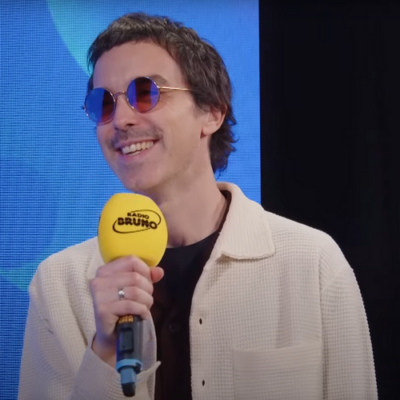 DiodatoItalian singer-songwriter (1981-)
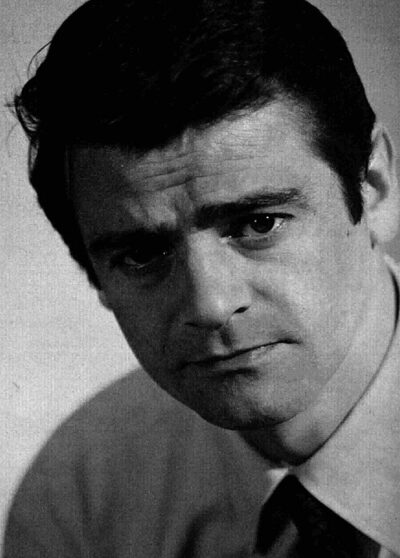 Sergio EndrigoItalian singer-songwriter (1933-2005)
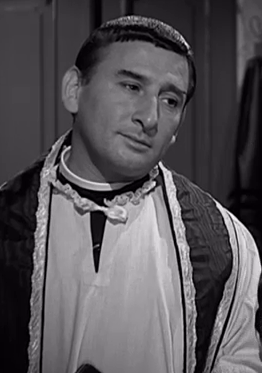 Renato RascelItalian actor (1912–1991)
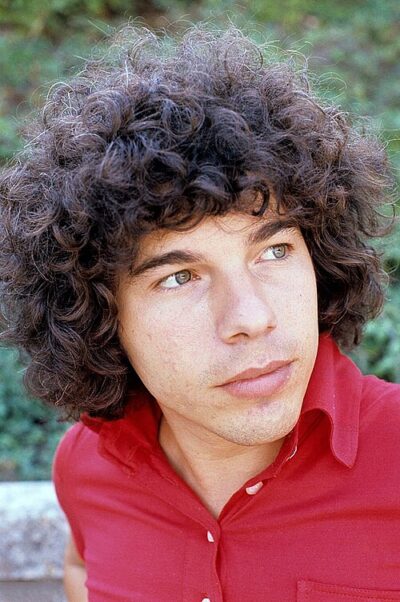 Riccardo CoccianteItalian singer
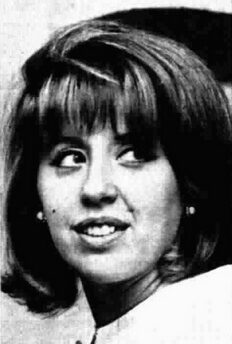 Betty CurtisItalian singer (1936–2006)
and 8 more
