Say's law
Say's law is a concept in market economics.
All 2 facts, and where they come from
Facts
2 facts · 0 confirmed by two sources · 0 cited · 2 from one source
Where this comes from
Papalocal keeps its own record. It started from these sources; what each one said is kept here as it was copied, so a change on their side never changes this page by itself. Tap one to read its version.
What Wikidata says · copied November 17, 2026 · revision 2552445301
- Described as
- concept in market economics
- Other names
- law of markets
- What it is
- economics law
- Named after
- Jean-Baptiste Say
- Wikipedias with a page
- 35
Wikidata item Q626021 (wikidata.org/wiki/Q626021), public domain (CC0). Copied 2026-11-17.
What Wikipedia says · copied November 17, 2026 · revision 1377857320
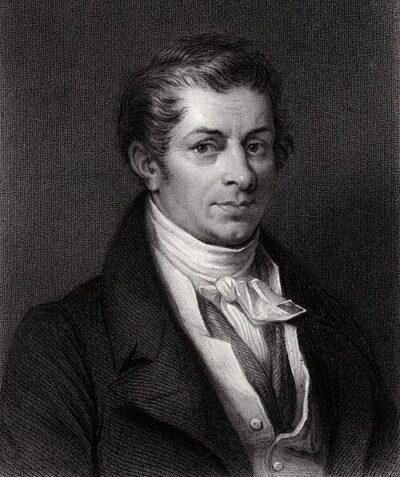
In classical economics, Say's law, or the law of markets, is the claim that the production of a product creates demand for another product by providing something of value which can be exchanged for that other product. So, production is the source of demand. It is named after Jean-Baptiste Say. In his principal work, A Treatise on Political Economy "A product is no sooner created, than it, from that instant, affords a market for other products to the full extent of its own value." And also, "As each of us can only purchase the productions of others with his/her own productions – as the value we can buy is equal to the value we can produce, the more men can produce, the more they will purchase."
Some maintain that Say further argued that this law of markets implies that a general glut (a widespread excess of supply over demand) cannot occur. If there is a surplus of one good, there must be unmet demand for another: "If certain goods remain unsold, it is because other goods are not produced." However, according to Petur Jonsson, Say does not claim a general glut cannot occur and in fact acknowledges that they can occur. Say's law has been one of the principal doctrines used to support the laissez-faire belief that a capitalist economy will naturally tend toward full employment and prosperity without government intervention.
Say's law was generally accepted throughout the 19th century, though modified to incorporate the idea of a "boom-and-bust cycle". During the worldwide Great Depression of the 1930s, the theories of Keynesian economics disputed Say's conclusions with regards to times of high unemployment.
From the Wikipedia article “Say's law” (en.wikipedia.org/wiki/Say's_law), by its contributors, under CC BY-SA 4.0 (creativecommons.org/licenses/by-sa/4.0/). Copied 2026-11-17; not changed.
Confirmed Two sources agree. Cited One source, and it names where it got it. One source One source, without a reference of its own. Sources disagree The sources disagree. We show the best-supported value and keep theirs below.