Schumann–Runge bands
Schumann–Runge bands is a set of absorption bands of molecular oxygen.
All 1 facts, and where they come from
Facts
1 facts · 0 confirmed by two sources · 0 cited · 1 from one source
Where this comes from
Papalocal keeps its own record. It started from these sources; what each one said is kept here as it was copied, so a change on their side never changes this page by itself. Tap one to read its version.
What Wikidata says · copied November 17, 2026 · revision 2482197045
- Described as
- set of absorption bands of molecular oxygen
- What it is
- physical theory
- Wikipedias with a page
- 2
Wikidata item Q23582953 (wikidata.org/wiki/Q23582953), public domain (CC0). Copied 2026-11-17.
What Wikipedia says · copied November 17, 2026 · revision 1170092811
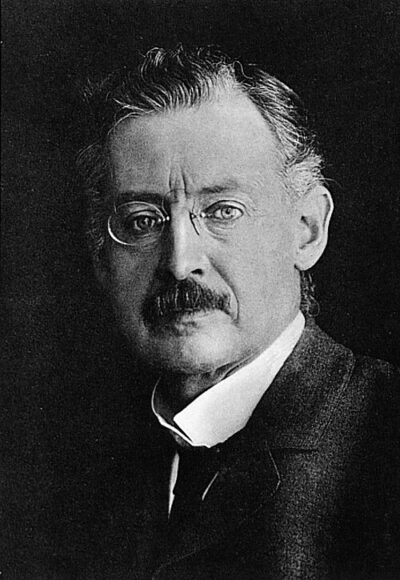
The Schumann–Runge bands are a set of absorption bands of molecular oxygen that occur at wavelengths between 176 and 192.6 nanometres. The bands are named for Victor Schumann and Carl Runge.
From the Wikipedia article “Schumann–Runge bands” (en.wikipedia.org/wiki/Schumann–Runge_bands), by its contributors, under CC BY-SA 4.0 (creativecommons.org/licenses/by-sa/4.0/). Copied 2026-11-17; not changed.
Confirmed Two sources agree. Cited One source, and it names where it got it. One source One source, without a reference of its own. Sources disagree The sources disagree. We show the best-supported value and keep theirs below.