Science Council of Japan
The Science Council of Japan is an extraordinary organ. It was founded in 1949. Its headquarters are in Roppongi.
- Founded
- January 20, 1949
- Headquarters
- Roppongi
- Country
- Japan
All 8 facts, and where they come from
Facts
8 facts · 0 confirmed by two sources · 0 cited · 8 from one source
Where this comes from
Papalocal keeps its own record. It started from these sources; what each one said is kept here as it was copied, so a change on their side never changes this page by itself. Tap one to read its version.
What Wikidata says · copied November 17, 2026 · revision 2557665600
- Described as
- organization
- Other names
- SCJ
- What it is
- extraordinary organ; national academy
- Founded
- January 20, 1949
- Headquarters
- Roppongi · 1 reference
- Located in
- Tokyo · 1 reference
- Country
- Japan · 1 reference
- Part of
- Cabinet Office
- Official website
- https://www.scj.go.jp/
- Wikipedias with a page
- 8
Wikidata item Q4346482 (wikidata.org/wiki/Q4346482), public domain (CC0). Copied 2026-11-17.
What Wikipedia says · copied November 17, 2026 · revision 1376314642
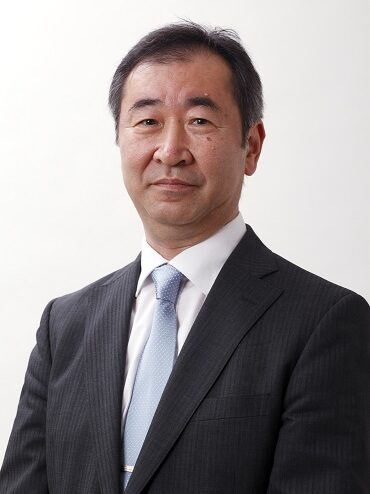
The Science Council of Japan (SCJ) is a representative organization of Japanese scholars and scientists in all fields of sciences, including humanities, social sciences, life sciences, natural sciences, and engineering. Takashi Onishi, president of Toyohashi Tech, is the elected president as of 2016, having been elected for two consecutive terms starting in 2013. The SCJ is headquartered in Roppongi, a district of Minato, Tokyo. Members of the SCJ are elected by scientists of all levels, including research scholars. Elected members are confirmed by the Government of Japan, a method similar to that of the National Academy of Sciences in the United States, upon which the structure of the SCJ was based. It was officially founded in January 1949 to function as an independent scientific statutory body under the jurisdiction of the prime minister of Japan.
As of 2015, the SCJ consists of 210 elected members appointed by the prime minister and 2,000 associate members. Its organizational setup includes a General Assembly, an executive board, three Section Meetings (namely Humanities and Social Sciences, Life Sciences, and Physical Sciences and Engineering), 30 committees based on fields of specialties, five Administrative Committees for operation, and issue-oriented ad hoc committees.
From the Wikipedia article “Science Council of Japan” (en.wikipedia.org/wiki/Science_Council_of_Japan), by its contributors, under CC BY-SA 4.0 (creativecommons.org/licenses/by-sa/4.0/). Copied 2026-11-17; not changed.
Confirmed Two sources agree. Cited One source, and it names where it got it. One source One source, without a reference of its own. Sources disagree The sources disagree. We show the best-supported value and keep theirs below.
Picture: Wikimedia Commons: Science-Council-of-Japan-01.jpg · See Commons file page