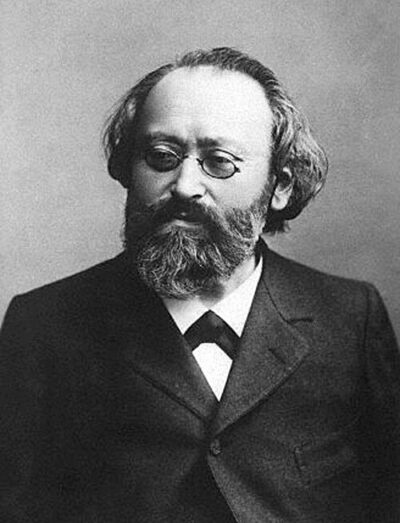
Scottish Fantasy
Scottish Fantasy is a composition for violin and orchestra by Max Bruch. It came out in 1880.
- Released
- 1880
All 3 facts, and where they come from
Facts
3 facts · 0 confirmed by two sources · 2 cited · 1 from one source
Where this comes from
Papalocal keeps its own record. It started from these sources; what each one said is kept here as it was copied, so a change on their side never changes this page by itself. Tap one to read its version.
What Wikidata says · copied November 17, 2026 · revision 2569324759
- Described as
- composition for violin and orchestra by Max Bruch
- Other names
- Scottish Fantasy, Op. 46, Fantasie unter freier Benutzung schottischer Volksmelodien
- What it is
- musical work/composition
- Music by
- Max Bruch · 1 reference
- Released
- 1880 · 1 reference
- Wikipedias with a page
- 11
Wikidata item Q1076860 (wikidata.org/wiki/Q1076860), public domain (CC0). Copied 2026-11-17.
What Wikipedia says · copied November 17, 2026 · revision 1361041819
The Scottish Fantasy in E♭ minor (German: Fantasie für die Violine mit Orchester und Harfe unter freier Benutzung schottischer Volksmelodien), Op. 46, is a composition for violin and orchestra by Max Bruch. The composition is a four-movement fantasy on Scottish folk melodies. Bruch dedicated the piece for the virtuoso violinist Pablo de Sarasate.
Although Bruch visited Scotland for the first time only a year after the premiere of the work, he had access to a collection of Scottish music at Munich Library in 1868. In paying homage to Scottish tradition, the work gives a prominent place to the harp in the instrumental accompaniment to the violin. The Scottish Fantasy is one of several signature pieces by Bruch that is still widely heard today.
From the Wikipedia article “Scottish Fantasy” (en.wikipedia.org/wiki/Scottish_Fantasy), by its contributors, under CC BY-SA 4.0 (creativecommons.org/licenses/by-sa/4.0/). Copied 2026-11-17; not changed.
Confirmed Two sources agree. Cited One source, and it names where it got it. One source One source, without a reference of its own. Sources disagree The sources disagree. We show the best-supported value and keep theirs below.