SCUM Manifesto
SCUM Manifesto is a book written by Valerie Solanas. It came out in 1967.
- Published
- 1967
- Written by
- Valerie Solanas
- Country of origin
- United States
All 6 facts, and where they come from
Facts
6 facts · 0 confirmed by two sources · 0 cited · 6 from one source
Where this comes from
Papalocal keeps its own record. It started from these sources; what each one said is kept here as it was copied, so a change on their side never changes this page by itself. Tap one to read its version.
What Wikidata says · copied November 17, 2026 · revision 2556725156
- Described as
- book written by Valerie Solanas
- What it is
- manifesto; written work
- Written by
- Valerie Solanas
- Published
- 1967
- Language
- English
- Country of origin
- United States
- Wikipedias with a page
- 22
Wikidata item Q2364255 (wikidata.org/wiki/Q2364255), public domain (CC0). Copied 2026-11-17.
What Wikipedia says · copied November 17, 2026 · revision 1384226541
SCUM Manifesto is a manifesto by American radical feminist writer Valerie Solanas which was first self-published in 1967. Sometimes described as a satire or parody, it declares male biological and moral inferiority the cause of the ills of humankind and advocates eliminating men, urging women to "overthrow the government, eliminate the money system, institute complete automation and eliminate the male sex".
The term SCUM appeared on the cover of the first edition from Olympia Press, published in 1968 following Solanas's attempted assassination of Andy Warhol, as "S.C.U.M. (Society for Cutting Up Men)". Solanas objected, insisting that SCUM was not an acronym, although the longer title appeared in a Village Voice ad she had written in 1967.
The SCUM Manifesto was little known until the attempt on Warhol's life by Solanas, which brought significant public attention to her and the manifesto.
From the Wikipedia article “SCUM Manifesto” (en.wikipedia.org/wiki/SCUM_Manifesto), by its contributors, under CC BY-SA 4.0 (creativecommons.org/licenses/by-sa/4.0/). Copied 2026-11-17; not changed.
Confirmed Two sources agree. Cited One source, and it names where it got it. One source One source, without a reference of its own. Sources disagree The sources disagree. We show the best-supported value and keep theirs below.
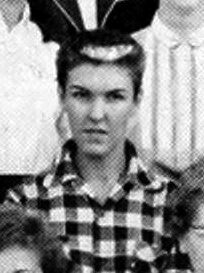
Picture: Valerie Solanas, via Wikimedia Commons · Public domain