
Shanti Swarup Bhatnagar Prize for Science and Technology
Shanti Swarup Bhatnagar Prize for Science and Technology is an Indian research award. It was created in 1958. It is given by the Council of Scientific and Industrial Research.
- Given by
- Council of Scientific and Industrial Research
- Country
- India
- Created
- 1958
All 6 facts, and where they come from
Facts
6 facts · 0 confirmed by two sources · 0 cited · 6 from one source
Where this comes from
Papalocal keeps its own record. It started from these sources; what each one said is kept here as it was copied, so a change on their side never changes this page by itself. Tap one to read its version.
What Wikidata says · copied November 17, 2026 · revision 2517655562
- Described as
- Indian research award
- What it is
- science award
- Created
- 1958
- Country
- India
- Given by
- Council of Scientific and Industrial Research
- Named after
- Shanti Swaroop Bhatnagar
- Official website
- http://www.csir.res.in/External/Utilities/Frames/career/main_page.asp?a=topframe.htm&b=leftcon.htm&c=../../../Heads/career/awards.htm
- Wikipedias with a page
- 16
Wikidata item Q372007 (wikidata.org/wiki/Q372007), public domain (CC0). Copied 2026-11-17.
What Wikipedia says · copied November 17, 2026 · revision 1386188069
The Shanti Swarup Bhatnagar Prize for Science and Technology (SSB) is a science award in India given annually by the Council of Scientific and Industrial Research (CSIR) for notable and outstanding research, applied or fundamental, in biology, chemistry, environmental science, engineering, mathematics, medicine, and physics. The prize recognized outstanding Indian work (according to the view of CSIR awarding committee) in science and technology. It was the highest, most prestigious and coveted prize given in the area of multidisciplinary science in India. The award was named after the founder Director of the Council of Scientific & Industrial Research, Shanti Swarup Bhatnagar. It was first awarded in 1958.
In 2024, the Government of India continued the Shanti Swarup Bhatnagar Prize for Science and Technology with the Rashtriya Vigyan Puraskar called the Vigyan Yuva - Shanti Swarup Bhatnagar Award. While the prize money and lifetime monthly fellowship were removed, the award's stature has been elevated to align with India's prestigious Padma awards, which also do not include a monetary component. The Rashtriya Vigyan Puraskar has been designed to bring the same level of respect and honor to scientific achievements as the Padma awards do for other fields.
Recipients of the Vigyan Yuva - Shanti Swarup Bhatnagar Award are honored with a national ceremony held at Rashtrapati Bhavan, where the awards are presented by the President of India in the presence of the Minister of Science and top officials from India's leading scientific institutions. This format ensures that the awardees receive the same recognition, respect, and dignity as Padma award recipients, reflecting the government's continued commitment to honoring significant contributions to science and technology in India.
Any citizen of India engaged in research in any field of science and technology up to the age of 45 years was eligible for the prize. The prize was awarded on the basis of contributions made through work done in India only during the five years preceding the year of the prize.
From the Wikipedia article “Shanti Swarup Bhatnagar Prize for Science and Technology” (en.wikipedia.org/wiki/Shanti_Swarup_Bhatnagar_Prize_for_Science_and_Technology), by its contributors, under CC BY-SA 4.0 (creativecommons.org/licenses/by-sa/4.0/). Copied 2026-11-17; not changed.
Confirmed Two sources agree. Cited One source, and it names where it got it. One source One source, without a reference of its own. Sources disagree The sources disagree. We show the best-supported value and keep theirs below.
People connected 9
Won it
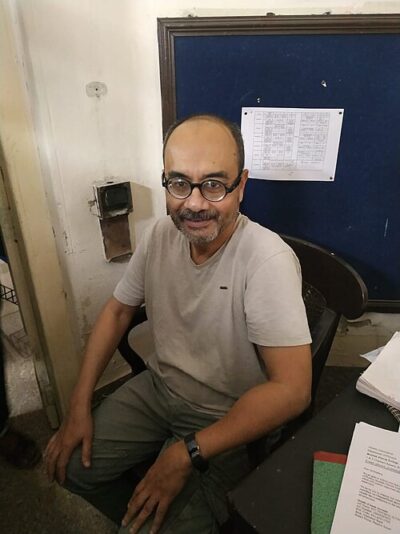 Ashoke Sen (1994)Indian physicist
 Raman Parimala (1987)Indian mathematician
- IIndira Nath (1983)Indian immunologist
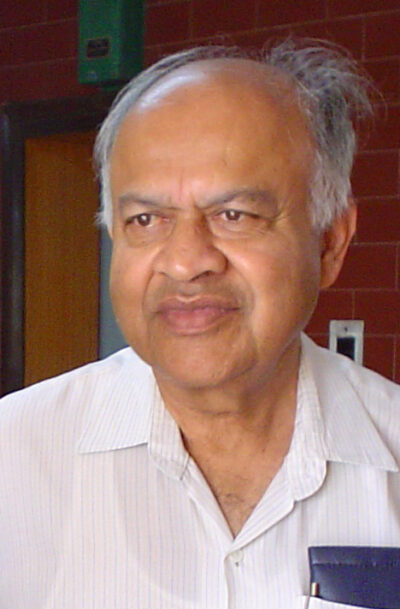 Jayant Narlikar (1978)Indian astrophysicist and writer (1938–2025)
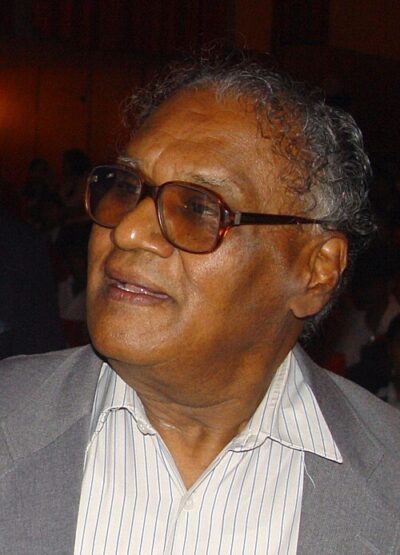 Chintamani Nagesa Ramachandra Rao (1968)Indian chemist
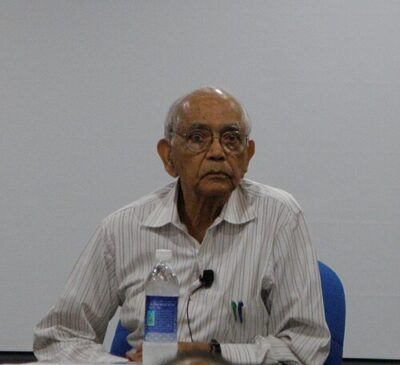 Calyampudi Radhakrishna Rao (1963)Indian-American mathematician (1920–2023)
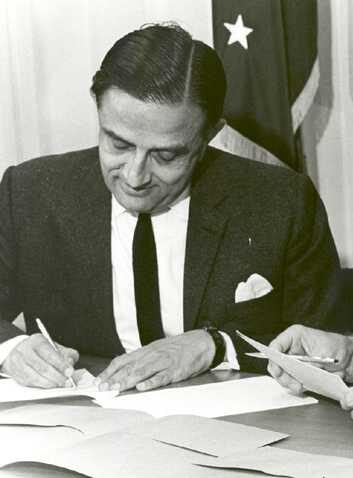 Vikram Sarabhai (1962)father of Indian space programme (1919–1971)
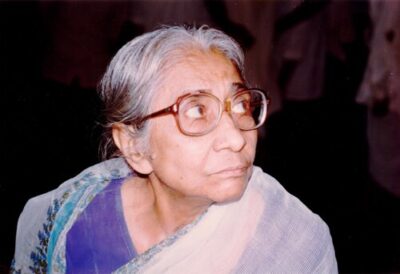 Asima Chatterjee (1961)Indian chemist (1917–2006)
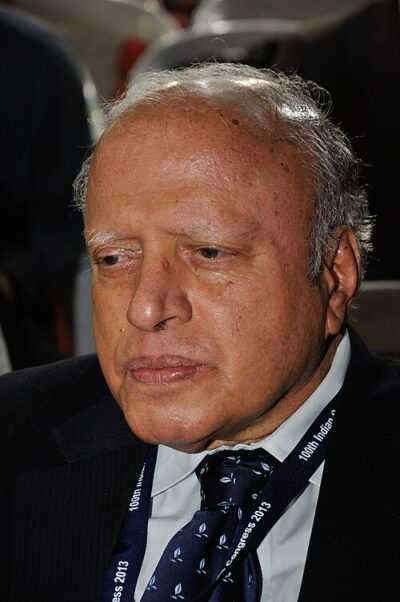 M. S. Swaminathan (1961)Indian agronomist (1925–2023)
