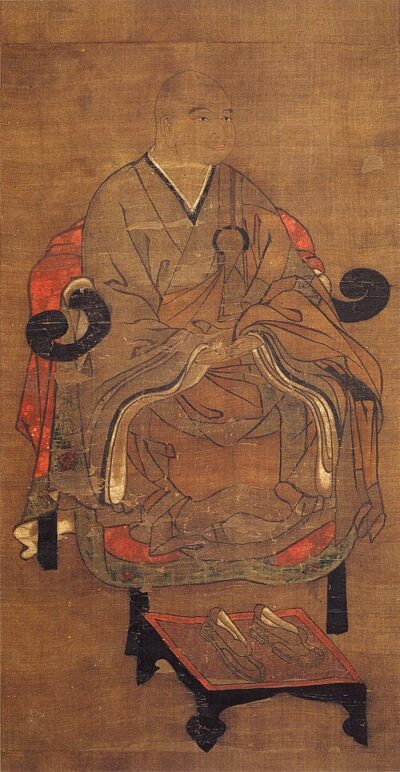
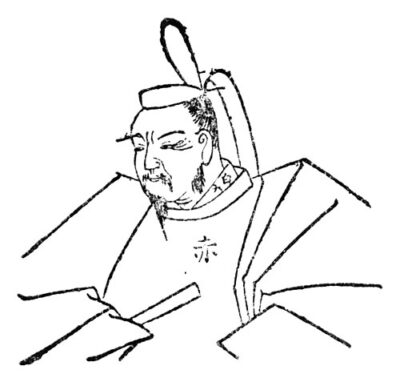
Shikken
Shikken is a Japanese office, originally a shogun's regent. It was created in 1203. It is an office of Kamakura shogunate.
- Office of
- Kamakura shogunate
- Country
- Kamakura shogunate
- Created
- 1203
All 4 facts, and where they come from
Facts
4 facts · 0 confirmed by two sources · 0 cited · 4 from one source
Where this comes from
Papalocal keeps its own record. It started from these sources; what each one said is kept here as it was copied, so a change on their side never changes this page by itself. Tap one to read its version.
What Wikidata says · copied November 18, 2026 · revision 2569318637
- Described as
- Japanese office, originally a shogun's regent
- Other names
- Hōjō Regent, shogunal regent, Kamakura shikken, Regent of the Shogunate
- What it is
- public office
- Created
- 1203
- Country
- Kamakura shogunate
- Office of
- Kamakura shogunate
- Wikipedias with a page
- 24
Wikidata item Q1045904 (wikidata.org/wiki/Q1045904), public domain (CC0). Copied 2026-11-18.
What Wikipedia says · copied November 18, 2026 · revision 1369256880
The shikken (執権; Japanese pronunciation: [ɕi̥k.keɴ]) was a senior government post held by members of the Hōjō clan, officially a regent of the shogunate. From 1199 to 1333, during the Kamakura period, the shikken served as the head of the bakufu (shogun's government). This era was referred to as Regent Rule (執権政治, Shikken Seiji).
During roughly the first half of that period, the shikken was the de facto military dictator of Japan. In 1256 the title of shikken was relegated to the second in command of the Tokusō (a separate rank also monopolized by the Hojō clan). By the Muromachi period (1333–1573) the position, though not abolished, had lost much of its power and was no longer considered as one of the top ranks. The position was abolished after the Muromachi period.
From the Wikipedia article “Shikken” (en.wikipedia.org/wiki/Shikken), by its contributors, under CC BY-SA 4.0 (creativecommons.org/licenses/by-sa/4.0/). Copied 2026-11-18; not changed.
Confirmed Two sources agree. Cited One source, and it names where it got it. One source One source, without a reference of its own. Sources disagree The sources disagree. We show the best-supported value and keep theirs below.