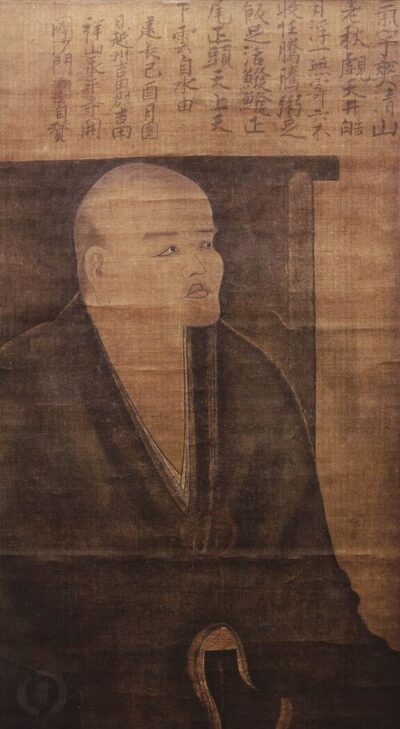
Shōbōgenzō
Shōbōgenzō is a collection of works written in Japanese by Eihei Dōgen. It came out in 1253. It is based on Shinji Shōbōgenzō.
- Published
- 1253
- Written by
- Dōgen
All 5 facts, and where they come from
Facts
5 facts · 0 confirmed by two sources · 0 cited · 5 from one source
Where this comes from
Papalocal keeps its own record. It started from these sources; what each one said is kept here as it was copied, so a change on their side never changes this page by itself. Tap one to read its version.
What Wikidata says · copied November 17, 2026 · revision 2539661762
- Described as
- collection of works written in Japanese by Eihei Dōgen
- Other names
- Shōbō genzō, Treasury of the True Dharma Eye, Kana Shōbōgenzō, T. 2582, 正法眼藏
- What it is
- literary work
- Written by
- Dōgen
- Published
- 1253
- Language
- Classical Japanese
- Based on
- Shinji Shōbōgenzō
- Wikipedias with a page
- 16
Wikidata item Q1637816 (wikidata.org/wiki/Q1637816), public domain (CC0). Copied 2026-11-17.
What Wikipedia says · copied November 17, 2026 · revision 1384294938
Shōbōgenzō (正法眼蔵; Japanese pronunciation: [ɕoː.boː ɡen.dzoː], lit. 'Treasury of the True Dharma Eye') is the title most commonly used to refer to the collection of works written in Japan by the 13th-century Buddhist monk and founder of the Sōtō Zen school in Japan, Eihei Dōgen. Several other works exist with the same title (see above), and it is sometimes called the Kana Shōbōgenzō in order to differentiate it from those. The term shōbōgenzō can also be used more generally as a synonym for Buddhism as viewed from the perspective of Mahayana Buddhism.
From the Wikipedia article “Shōbōgenzō” (en.wikipedia.org/wiki/Shōbōgenzō), by its contributors, under CC BY-SA 4.0 (creativecommons.org/licenses/by-sa/4.0/). Copied 2026-11-17; not changed.
Confirmed Two sources agree. Cited One source, and it names where it got it. One source One source, without a reference of its own. Sources disagree The sources disagree. We show the best-supported value and keep theirs below.