Simon Janashia Museum of Georgia
The Simon Janashia Museum of Georgia is a museum in Tbilisi, Georgia. It was founded in 1852.
- Founded
- May 10, 1852
- Country
- Georgia
All 6 facts, and where they come from
Facts
6 facts · 0 confirmed by two sources · 0 cited · 6 from one source
Where this comes from
Papalocal keeps its own record. It started from these sources; what each one said is kept here as it was copied, so a change on their side never changes this page by itself. Tap one to read its version.
What Wikidata says · copied November 17, 2026 · revision 2549988860
- Described as
- museum in Tbilisi, Georgia
- Other names
- State Museum of History of Georgia
- What it is
- museum
- Founded
- May 10, 1852
- Located in
- Tbilisi
- Country
- Georgia
- Named after
- Simon Janashia
- Official website
- http://museum.ge/
- Wikipedias with a page
- 20
Wikidata item Q2899707 (wikidata.org/wiki/Q2899707), public domain (CC0). Copied 2026-11-17.
What Wikipedia says · copied November 17, 2026 · revision 1125291626
The Simon Janashia Museum of Georgia (Georgian: სიმონ ჯანაშიას სახელობის საქართველოს მუზეუმი), formerly known as the State Museum of History of Georgia, is one of the main history museums in Tbilisi, Georgia, which displays the country's principal archaeological findings.
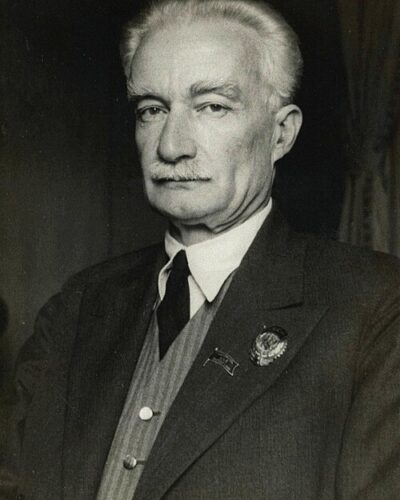
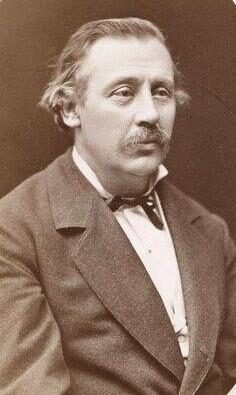
The museum evolved from the museum of the Caucasian Department of the Russian Imperial Geographic Society, founded on May 10, 1852, and converted into the Caucasian Museum on the initiative of the German explorer Gustav Radde in 1865. After Georgia regained independence from Russia (1918), the museum was renamed into the Museum of Georgia in 1919. Noe Kipiani was the first director of the museum. A bulk of its collection was evacuated by the Government of Georgia to Europe following the Bolshevik takeover of the country in 1921, and was returned to Soviet Georgia through the efforts of the Georgian émigré scholar Ekvtime Takaishvili in 1945. In 1947, the museum was named after the late Georgian historian Simon Janashia. The museum suffered significantly during the years of post-Soviet turmoil in Georgia early in the 1990s: It was first damaged in fighting during the military coup in 1991–2, followed by the destruction of part of its collection by fire. In 2004, the Janashia Museum was integrated with other leading Georgian museums under a joint management system of the Georgian National Museum.
The museum occupies chronologically and stylistically diverse buildings in downtown Tbilisi, with the main exhibition located in Rustaveli Avenue. This latter edifice was designed utilizing elements of medieval Georgian décor by the architect Nikolay Severov in 1910 in the place of an older building authored by A. Zaltsman.
The museum houses hundreds of thousands of Georgian and Caucasian archaeological and ethnographical artifacts. A permanent exhibition chronologically follows the development of Georgia's material culture from the Bronze Age to the early 20th century. Some of the museum's most valuable exhibits include the Homo Ergaster fossils discovered at Dmanisi; the Akhalgori hoard of the 5th century BC which contains unique examples of jewelry, blending Achaemenid and local inspirations; a collection of approximately 80,000 coins, chiefly of Georgian minting; medieval icons and goldsmith pieces brought here from various archeological sites in Georgia; Shukhuti's mosaic, a bath mosaic from the village of Shukhuti that dates from the 4th-5th century; and a lapidary which includes one of the world's richest collection of Urartian inscriptions.
From the Wikipedia article “Simon Janashia Museum of Georgia” (en.wikipedia.org/wiki/Simon_Janashia_Museum_of_Georgia), by its contributors, under CC BY-SA 4.0 (creativecommons.org/licenses/by-sa/4.0/). Copied 2026-11-17; not changed.
Confirmed Two sources agree. Cited One source, and it names where it got it. One source One source, without a reference of its own. Sources disagree The sources disagree. We show the best-supported value and keep theirs below.
Picture: Wikimedia Commons: Rustaveli museum.jpg · See Commons file page