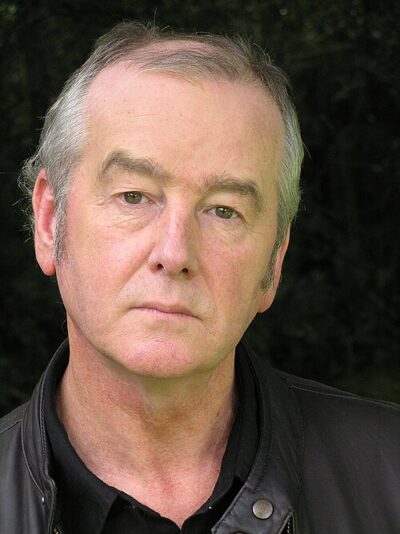
Skellig
Skellig is a book by David Almond. It came out in 1998.
- Published
- August 11, 1998
- Written by
- David Almond
- Genre
- children's novel
- Country of origin
- United Kingdom
All 7 facts, and where they come from
Facts
7 facts · 0 confirmed by two sources · 1 cited · 6 from one source
Where this comes from
Papalocal keeps its own record. It started from these sources; what each one said is kept here as it was copied, so a change on their side never changes this page by itself. Tap one to read its version.
What Wikidata says · copied November 18, 2026 · revision 2447164982
- Described as
- book by David Almond
- What it is
- written work
- Written by
- David Almond · 1 reference
- Publisher
- Headline Publishing Group Limited
- Genre
- children's novel
- Published
- August 11, 1998
- Language
- English
- Country of origin
- United Kingdom
- Wikipedias with a page
- 10
Wikidata item Q3962486 (wikidata.org/wiki/Q3962486), public domain (CC0). Copied 2026-11-18.
What Wikipedia says · copied November 18, 2026 · revision 1384226564
Skellig is a children's novel by the British author David Almond, published by Hodder in 1998. It was the Whitbread Children's Book of the Year and it won the Carnegie Medal from the Library Association, recognising the year's outstanding children's book by a British author. In 2007, it placed third in the "Carnegie of Carnegies", after Northern Lights and Tom's Midnight Garden. In the U.S., it was a runner up for the Michael L. Printz Award, which recognises one work of young adult fiction annually. Since publication, it has also been adapted into a play, an opera, and a film. In December of 2011, a prequel, My Name is Mina was published. William Blake's poems feature in the book, the play and the film.
Delacorte Press published the first US edition in 1999.
From the Wikipedia article “Skellig” (en.wikipedia.org/wiki/Skellig), by its contributors, under CC BY-SA 4.0 (creativecommons.org/licenses/by-sa/4.0/). Copied 2026-11-18; not changed.
Confirmed Two sources agree. Cited One source, and it names where it got it. One source One source, without a reference of its own. Sources disagree The sources disagree. We show the best-supported value and keep theirs below.