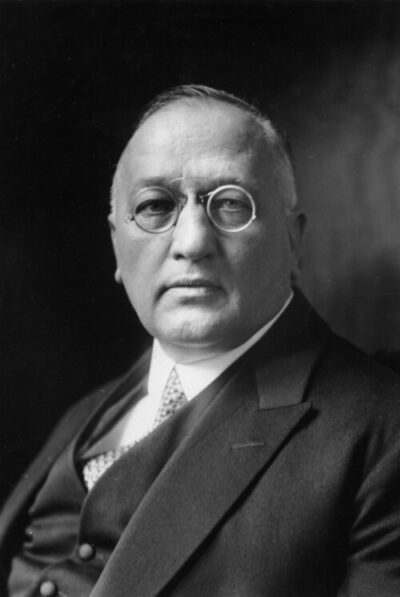
Slovene People's Party
The Slovene People's Party is a Slovenian political party. It was founded in 1892 by Anton Korošec. It stands for conservatism, Christian democracy and autonomism.
- Country
- Austria–Hungary
- Founded
- 1892
- Ideology
- conservatism
All 9 facts, and where they come from
Facts
9 facts · 0 confirmed by two sources · 0 cited · 9 from one source
Where this comes from
Papalocal keeps its own record. It started from these sources; what each one said is kept here as it was copied, so a change on their side never changes this page by itself. Tap one to read its version.
What Wikidata says · copied November 17, 2026 · revision 2415834235
- Described as
- Slovenian political party
- What it is
- political party
- Founded
- 1892
- Ended
- 1945
- Founded by
- Anton Korošec · 1 reference
- Country
- Austria–Hungary; Yugoslavia
- Ideology
- conservatism; Christian democracy; autonomism
- Wikipedias with a page
- 12
Wikidata item Q1276547 (wikidata.org/wiki/Q1276547), public domain (CC0). Copied 2026-11-17.
What Wikipedia says · copied November 17, 2026 · revision 1381785474
The Slovene People's Party (Slovene: Slovenska ljudska stranka, pronounced [slɔˈʋèːnska ˈljúːtska ˈstráːŋka], Slovene abbreviation SLS) was a Slovenian political party in the 19th and 20th centuries, active in the Austro-Hungarian Monarchy and in the Kingdom of Yugoslavia. Between 1907 and 1941, it was the largest and arguably the most influential political party in the Slovene Lands. It was dissolved by the Yugoslav Communist authorities in 1945, but continued to be active in exile until 1992, when it merged with the Slovene Christian Democrats. The contemporary Slovene People's Party, founded in 1988, was named after it.
From the Wikipedia article “Slovene People's Party (historical)” (en.wikipedia.org/wiki/Slovene_People's_Party_(historical)), by its contributors, under CC BY-SA 4.0 (creativecommons.org/licenses/by-sa/4.0/). Copied 2026-11-17; not changed.
Confirmed Two sources agree. Cited One source, and it names where it got it. One source One source, without a reference of its own. Sources disagree The sources disagree. We show the best-supported value and keep theirs below.