
Socialist Party of Serbia
Socialist Party of Serbia is a political party in Serbia. It was founded in 1990 by Slobodan Milošević. Its headquarters are in Belgrade. It stands for social democracy and populism.
- Country
- Serbia
- Founded
- July 17, 1990
- Ideology
- social democracy
- Chair
- Ivica Dačić
All 10 facts, and where they come from
Facts
10 facts · 0 confirmed by two sources · 0 cited · 10 from one source
Where this comes from
Papalocal keeps its own record. It started from these sources; what each one said is kept here as it was copied, so a change on their side never changes this page by itself. Tap one to read its version.
What Wikidata says · copied November 17, 2026 · revision 2564246057
- Described as
- political party in Serbia
- Other names
- SPS, Socialists
- What it is
- political party
- Comes after
- League of Communists of Serbia
- Founded
- July 17, 1990
- Founded by
- Slobodan Milošević
- Headquarters
- Belgrade
- Country
- Serbia
- Chair
- Ivica Dačić
- Ideology
- social democracy; populism
- Official website
- http://www.sps.org.rs/
- Wikipedias with a page
- 38
Wikidata item Q752521 (wikidata.org/wiki/Q752521), public domain (CC0). Copied 2026-11-17.
What Wikipedia says · copied November 17, 2026 · revision 1384670549
The Socialist Party of Serbia (Serbian: Социјалистичка партија Србије, romanised: Socijalistička partija Srbije, abbr. SPS) is a social democratic and populist political party in Serbia. Ivica Dačić, a former prime minister of Serbia, has led the party since 2006.
SPS was founded in 1990 as a merger of the League of Communists of Serbia and Socialist Alliance of Working People of Yugoslavia with Slobodan Milošević as its first president. In the 1990 general elections, SPS became the ruling party of Serbia while Milošević was elected president of Serbia. During Milošević's rule, SPS relied on the Serbian Radical Party (SRS) from 1992 to 1993 while it later led several coalition governments with SRS, New Democracy, and Yugoslav Left. Mass protests against SPS were held in 1991, and after being accused of falsifying votes in major urban cities, such as Belgrade and Niš, 1996–1997 protests were also organised. The Democratic Opposition of Serbia coalition defeated SPS in the 2000 general elections but Milošević declined to accept the results. This resulted in Milošević's overthrow.
SPS was in opposition until 2004, after which it provided confidence and supply to the government of Vojislav Koštunica until 2007. Dačić led SPS into a coalition government with the Democratic Party after the 2008 parliamentary election, while four years later he became the prime minister of Serbia after the formation of a coalition government with the Serbian Progressive Party (SNS). He remained prime minister until 2014, after which SPS served as a junior partner in SNS-led governments. Although it described itself as a democratic socialist party, SPS promoted mixed economy and populist nationalism under Milošević's leadership and was accused of authoritarianism. SPS has remained populist under Dačić but it shifted towards social democracy and a centre-left and more pragmatic, pro-European image. Since 2008, SPS has contested parliamentary elections at the head of an electoral alliance with United Serbia and other partners, which ran as the Factor of Stability in 2026, when the Social Democratic Party of Serbia joined it. Contesting the 2026 snap election independently of SNS, the alliance won 2.16% of the vote and failed to cross the electoral threshold, leaving SPS without seats in the National Assembly for the first time.
From the Wikipedia article “Socialist Party of Serbia” (en.wikipedia.org/wiki/Socialist_Party_of_Serbia), by its contributors, under CC BY-SA 4.0 (creativecommons.org/licenses/by-sa/4.0/). Copied 2026-11-17; not changed.
Confirmed Two sources agree. Cited One source, and it names where it got it. One source One source, without a reference of its own. Sources disagree The sources disagree. We show the best-supported value and keep theirs below.
People connected 9
Party members
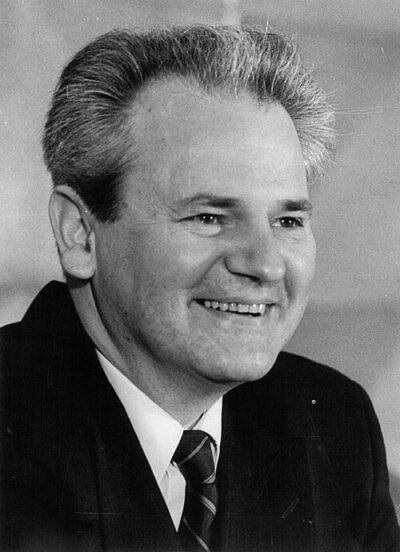 Slobodan Milošević (1990–)Yugoslav–Serbian politician (1941–2006)
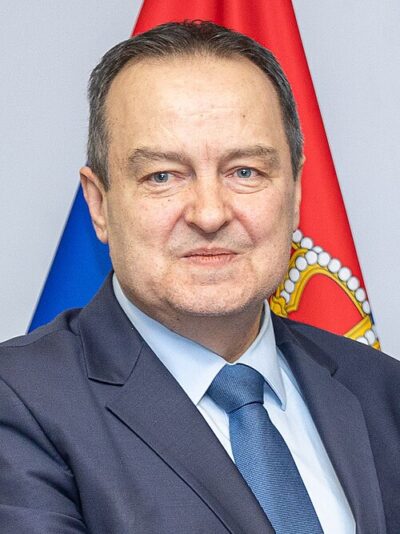 Ivica Dačić (1991–)Serbian politician (born 1966)
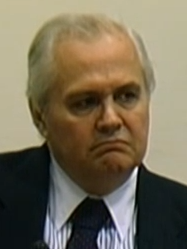 Milan Milutinović (1990–2023)2nd President of Serbia (1942–2023)
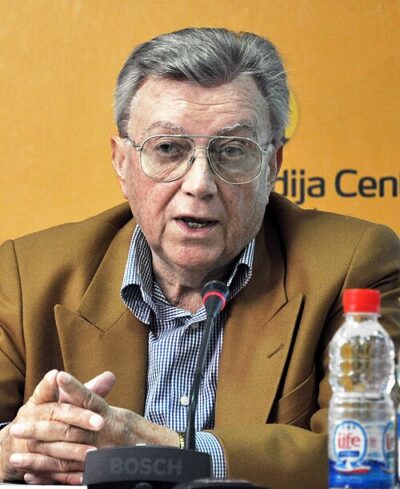 Borisav JovićSerbian diplomat (1928–2021)
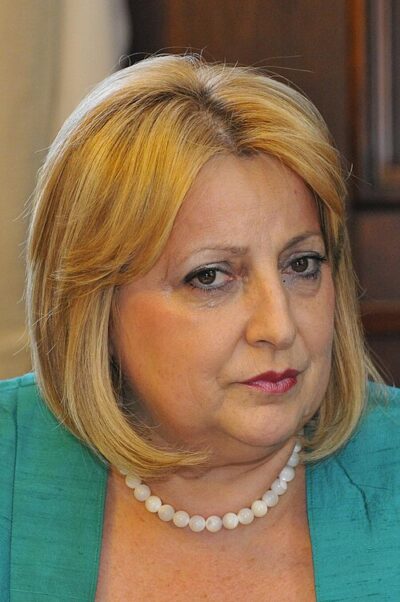 Slavica Đukić DejanovićSerbian politician
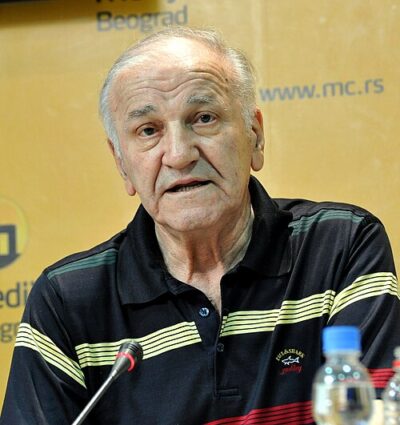 Velimir Bata ŽivojinovićYugoslav and Serbian actor and politician (1933-2016)
- DDragan Kićanovićbasketball player
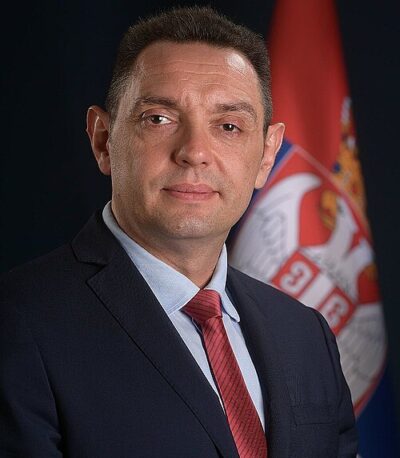 Aleksandar Vulin (2002–2006)Serbian politician
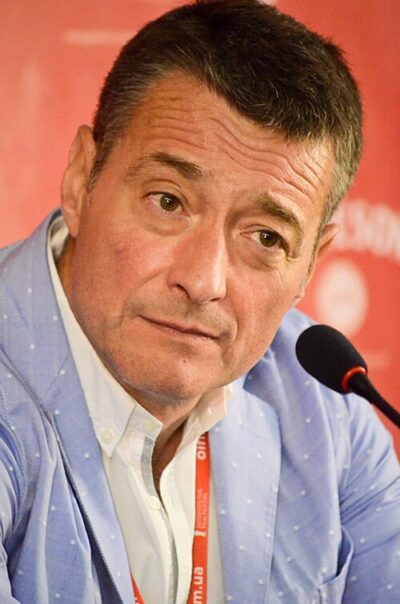 Srđan DragojevićSerbian film director and screenwriter
