Société du bout du banc
Société du bout du banc is a salon.
- Country
- France
All 2 facts, and where they come from
Facts
2 facts · 0 confirmed by two sources · 0 cited · 2 from one source
Where this comes from
Papalocal keeps its own record. It started from these sources; what each one said is kept here as it was copied, so a change on their side never changes this page by itself. Tap one to read its version.
What Wikidata says · copied November 17, 2026 · revision 2288086225
- Other names
- Societe du bout du banc
- What it is
- salon
- Country
- France
- Wikipedias with a page
- 3
Wikidata item Q3488230 (wikidata.org/wiki/Q3488230), public domain (CC0). Copied 2026-11-17.
What Wikipedia says · copied November 17, 2026 · revision 1365667582
The Société du bout du banc (French pronunciation: [sɔsjete dy bu dy bɑ̃]), hosted by Jeanne Quinault, was one of the most famous literary salons of the 18th century in France.
Miss Quinault gave dinners at home, rue Sainte-Anne and later rue d'Anjou in Paris, where the best nobility was put on the same footing as poets and artists.
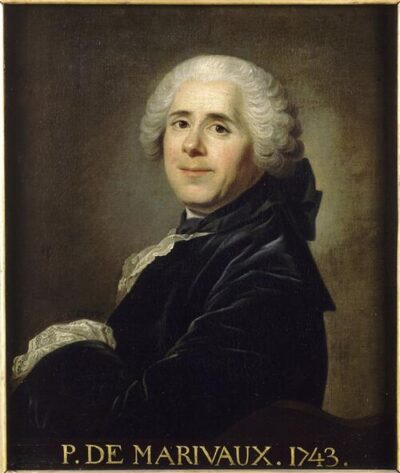
These dinners were held on Mondays, inviting members of French high society including Maurepas, Honoré-Armand de Villars, the Duke of Lauragais, the duke of Orléans, the Grand Prieur d’Orléans, the marquis de Livry, Antoine de Ferriol de Pont-de-Veyle – and hommes and femmes de lettres such as Caylus, Duclos, Voltaire, Piron, D'Alembert, Voisenon, Rousseau, Grimm, Diderot, Lagrange-Chancel, Collé, Moncrif, Grimod de La Reynière, Crébillon fils, Marivaux, Saint-Lambert, Fagan de Lugny, l’abbé de La Marre, the chevalier Louis Caron-Destouches, Pierre-Thomas-Nicolas Hurtaut, Françoise de Graffigny...
Ultimately, the company became so numerous that the dinners had to stand out. Philosophers expelled the poets, gaiety vanished, and the company was dissolved.
From the Wikipedia article “Société du bout du banc” (en.wikipedia.org/wiki/Société_du_bout_du_banc), by its contributors, under CC BY-SA 4.0 (creativecommons.org/licenses/by-sa/4.0/). Copied 2026-11-17; not changed.
Confirmed Two sources agree. Cited One source, and it names where it got it. One source One source, without a reference of its own. Sources disagree The sources disagree. We show the best-supported value and keep theirs below.