Sonnets to Orpheus
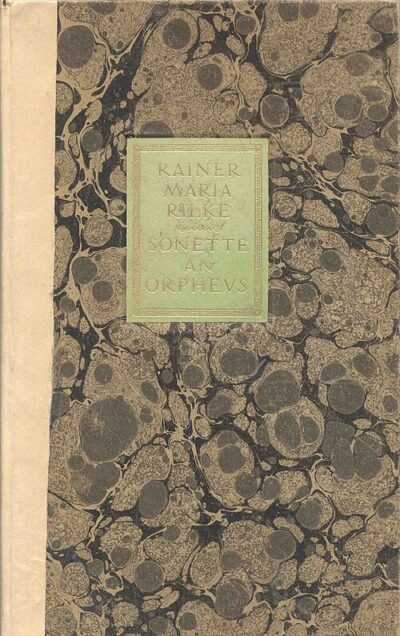
Sonnets to Orpheus is a poem collection by Rainer Maria Rilke. It came out in 1923.
- Published
- 1923
- Written by
- Rainer Maria Rilke
- Genre
- poetry
All 5 facts, and where they come from
Facts
5 facts · 0 confirmed by two sources · 0 cited · 5 from one source
Where this comes from
Papalocal keeps its own record. It started from these sources; what each one said is kept here as it was copied, so a change on their side never changes this page by itself. Tap one to read its version.
What Wikidata says · copied November 17, 2026 · revision 2488969593
- Described as
- poem collection by Rainer Maria Rilke
- Other names
- The sonnets to Orpheus
- What it is
- literary work
- Written by
- Rainer Maria Rilke
- Genre
- poetry
- Published
- 1923
- Language
- German · 1 reference
- Wikipedias with a page
- 18
Wikidata item Q1216303 (wikidata.org/wiki/Q1216303), public domain (CC0). Copied 2026-11-17.
What Wikipedia says · copied November 17, 2026 · revision 1384247873
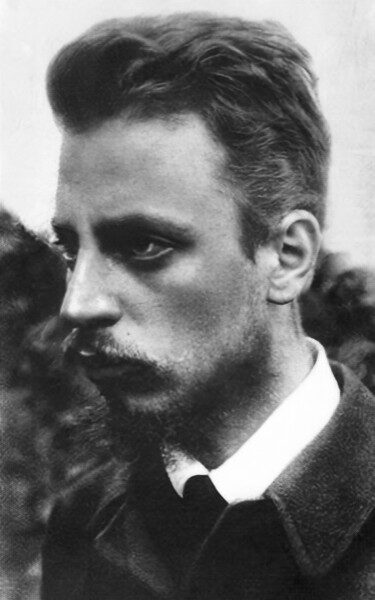
The Sonnets to Orpheus (German: Die Sonette an Orpheus) are a cycle of 55 sonnets written in 1922 by the Bohemian-Austrian poet Rainer Maria Rilke (1875–1926). It was first published the following year. Rilke, who is "widely recognized as one of the most lyrically intense German-language poets," wrote the cycle in a period of three weeks experiencing what he described a "savage creative storm." Inspired by the news of the death of Wera Ouckama Knoop (1900–1919), a playmate of Rilke's daughter Ruth, he dedicated them as a memorial, or Grab-Mal (literally "grave-marker"), to her memory.
At the same time in February 1922, Rilke had completed work on his deeply philosophical and mystical ten-poem collection entitled Duino Elegies which had taken ten years to complete. The Sonnets to Orpheus and the Duino Elegies are considered Rilke's masterpieces and the highest expressions of his talent.
From the Wikipedia article “Sonnets to Orpheus” (en.wikipedia.org/wiki/Sonnets_to_Orpheus), by its contributors, under CC BY-SA 4.0 (creativecommons.org/licenses/by-sa/4.0/). Copied 2026-11-17; not changed.
Confirmed Two sources agree. Cited One source, and it names where it got it. One source One source, without a reference of its own. Sources disagree The sources disagree. We show the best-supported value and keep theirs below.
Picture: Rainer Maria Rilke (author), Insel-Verlag (publisher), via Wikimedia Commons · Public domain