Sports and Peace Party
The Sports and Peace Party is a former political party in Japan. It was founded in 1989. It stands for pacifism.
- Country
- Japan
- Founded
- 1989
- Ideology
- pacifism
All 7 facts, and where they come from
Facts
7 facts · 0 confirmed by two sources · 0 cited · 7 from one source
Where this comes from
Papalocal keeps its own record. It started from these sources; what each one said is kept here as it was copied, so a change on their side never changes this page by itself. Tap one to read its version.
What Wikidata says · copied November 17, 2026 · revision 2449641678
- Described as
- former political party in Japan
- What it is
- political party
- Founded
- 1989
- Ended
- June 18, 2006
- Located in
- Kita-Aoyama
- Country
- Japan
- Ideology
- pacifism
- Official website
- http://www.sportsheiwato.or.jp/
- Wikipedias with a page
- 2
Wikidata item Q7579807 (wikidata.org/wiki/Q7579807), public domain (CC0). Copied 2026-11-17.
What Wikipedia says · copied November 17, 2026 · revision 1253897908
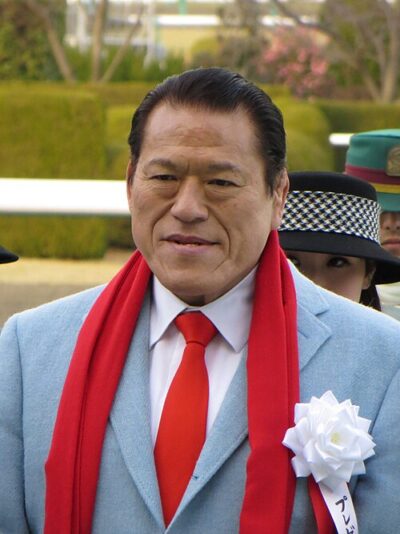
The Sports and Peace Party (Japanese: スポーツ平和党, romanized: Supōtsu Heiwa Tō) was a political party in Japan run by Antonio Inoki, a pro wrestler and former member of the House of Councillors. He continued to wrestle and promote while serving as a legislator. The party fielded 10 candidates in the 1989 election.
Inoki met with Saddam Hussein for the release of prisoners from Iraq before the Gulf War. As is the traditional gift for a visiting head-of-state, Saddam gave Inoki a pair of golden swords.
He served in the Diet until 1995, when he failed to win re-election, after accusations of Yakuza involvement and bribery lead to a decline in his popularity. His party, however, also fielded candidates in 1998.
From the Wikipedia article “Sports and Peace Party” (en.wikipedia.org/wiki/Sports_and_Peace_Party), by its contributors, under CC BY-SA 4.0 (creativecommons.org/licenses/by-sa/4.0/). Copied 2026-11-17; not changed.
Confirmed Two sources agree. Cited One source, and it names where it got it. One source One source, without a reference of its own. Sources disagree The sources disagree. We show the best-supported value and keep theirs below.