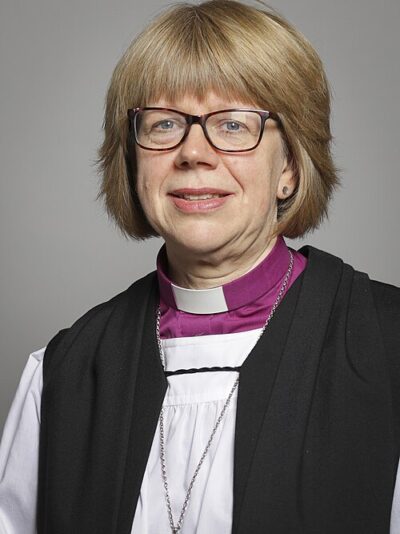
St Augustine's College of Theology
The St Augustine's College of Theology is an UK educational organization. It was founded in 1994.
- Country
- United Kingdom
- Founded
- 1994
- What it is
- educational organization
All 4 facts, and where they come from
Facts
4 facts · 0 confirmed by two sources · 0 cited · 4 from one source
Where this comes from
Papalocal keeps its own record. It started from these sources; what each one said is kept here as it was copied, so a change on their side never changes this page by itself. Tap one to read its version.
What Wikidata says · copied November 17, 2026 · revision 2413599427
- Described as
- UK educational organization
- Other names
- South East Institute for Theological Education
- What it is
- educational organization
- Founded
- 1994
- Country
- United Kingdom
- Official website
- https://staugustinescollege.ac.uk/
- Wikipedias with a page
- 1
Wikidata item Q30588112 (wikidata.org/wiki/Q30588112), public domain (CC0). Copied 2026-11-17.
What Wikipedia says · copied November 17, 2026 · revision 1368271637
St Augustine's College of Theology is a non-residential Anglican theological college in the Southeast of England. Founded in 1994 as the South East Institute for Theological Education (SEITE), the college trains men and women for ordained and lay ministry in the Church of England and other denominations, under the Common Awards programme.
The college is based at St Benedict's Centre in the grounds of Malling Abbey, West Malling, Kent, and also has a teaching centre at Southwark Cathedral, London.
From the Wikipedia article “St Augustine's College of Theology” (en.wikipedia.org/wiki/St_Augustine's_College_of_Theology), by its contributors, under CC BY-SA 4.0 (creativecommons.org/licenses/by-sa/4.0/). Copied 2026-11-17; not changed.
Confirmed Two sources agree. Cited One source, and it names where it got it. One source One source, without a reference of its own. Sources disagree The sources disagree. We show the best-supported value and keep theirs below.