

Stax Records
Stax Records is a record label. It was founded in 1957 by Jim Stewart and Estelle Axton. Its headquarters are in Memphis.
- Founded
- 1957
- Founded by
- Jim Stewart
- Headquarters
- Memphis
- Country
- United States
All 12 facts, and where they come from
Facts
12 facts · 0 confirmed by two sources · 6 cited · 6 from one source
Where this comes from
Papalocal keeps its own record. It started from these sources; what each one said is kept here as it was copied, so a change on their side never changes this page by itself. Tap one to read its version.
What Wikidata says · copied November 16, 2026 · revision 2566473518
- Described as
- US record label; imprint of Stax Records, Inc.
- Other names
- Stax, Satellite Records
- What it is
- record label
- Genre
- jazz; soul · 1 reference; funk; rhythm and blues
- Founded
- 1957 · 1 reference
- Founded by
- Jim Stewart · 1 reference; Estelle Axton · 1 reference
- Headquarters
- Memphis · 2 references
- Country
- United States · 1 reference
- Part of
- BMG
- Official website
- https://www.staxrecords.com/ · 1 reference
- Wikipedias with a page
- 17
Wikidata item Q1546001 (wikidata.org/wiki/Q1546001), public domain (CC0). Copied 2026-11-16.
What Wikipedia says · copied November 16, 2026 · revision 1384419987
Stax Records is an American record company, originally based in Memphis, Tennessee. Founded in 1957 as Satellite Records, the label changed its name to Stax Records in September 1961. It also shared its operations with sister label Volt Records.
Stax was influential in the creation of Southern soul and Memphis soul music. Stax also released gospel, funk, and blues recordings. The label was founded by two siblings, business partners Jim Stewart and Estelle Axton, whose last names formed the basis of the label's name (Stewart + Axton = "Stax"). It featured several popular ethnically integrated bands (including the label's house band, Booker T. & the M.G.'s) and a racially integrated team of staff and artists unprecedented in that time of racial strife and tension in Memphis and the South. According to ethnomusicologist Rob Bowman, the label's use of "one studio, one equipment set-up, the same set of musicians and a small group of songwriters led to a readily identifiable sound. It was a sound based in black gospel, blues, country, and earlier forms of rhythm and blues (R&B). It became known as southern soul music."
Following the death of Stax's biggest star, Otis Redding, in 1967, and the severance of the label's distribution deal with Atlantic Records in 1968, Stax continued primarily under the supervision of a new co-owner, Al Bell. Over the next five years, Bell expanded the label's operations significantly, in order to compete with Stax's main rival, Motown Records in Detroit. During the mid-1970s, a number of factors, including a problematic distribution deal with CBS Records, caused the label to slide into insolvency, resulting in its forced closure in late 1975.
In 1977, Fantasy Records acquired the post-1968 Stax catalogue and selected pre-1968 recordings. Beginning in 1978, Stax (then owned by Fantasy) began signing new acts and issuing new material, as well as reissuing previously recorded Stax material. However, by the early 1980s, no new material was being issued, and for the next two decades, Stax was strictly a reissue label.
After Concord Records acquired Fantasy in 2004, the Stax label was reactivated, and is used to issue both the 1968–1975 catalog material and new recordings by modern R&B and soul performers. Atlantic Records continues to hold the rights to the vast majority of the 1959–1968 Stax material.
From the Wikipedia article “Stax Records” (en.wikipedia.org/wiki/Stax_Records), by its contributors, under CC BY-SA 4.0 (creativecommons.org/licenses/by-sa/4.0/). Copied 2026-11-16; not changed.
Confirmed Two sources agree. Cited One source, and it names where it got it. One source One source, without a reference of its own. Sources disagree The sources disagree. We show the best-supported value and keep theirs below.
Picture: Wikimedia Commons: Stax Records.jpg · See Commons file page
People connected 10
Signed to this label
 Isaac HayesAmerican musician and actor (1942-2008)
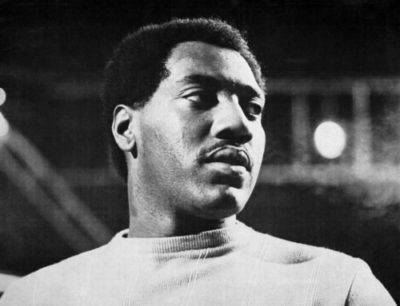 Otis ReddingAmerican singer and songwriter (1941–1967)
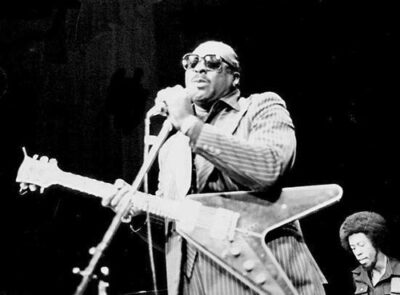 Albert KingAmerican blues musician (1923–1992)
 Angie StoneAmerican singer and actress (1961–2025)
 Steve CropperAmerican guitarist, songwriter, and record producer
 Donald "Duck" DunnAmerican bass guitarist, record producer and songwriter (1941–2012)
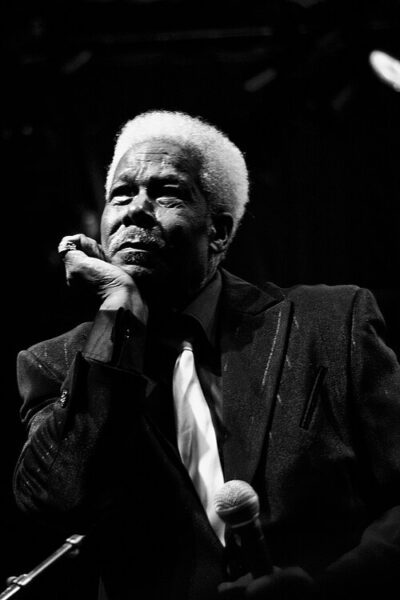 Eddie FloydAmerican male singer
 Teena MarieAmerican R&B and soul singer (1956–2010)
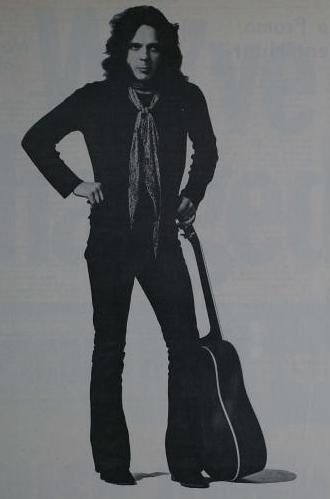 Bobby WhitlockAmerican musician (1948–2025)
- JJerry WexlerAmerican music producer, journalist (1917–2008)
