Sunnanå SK
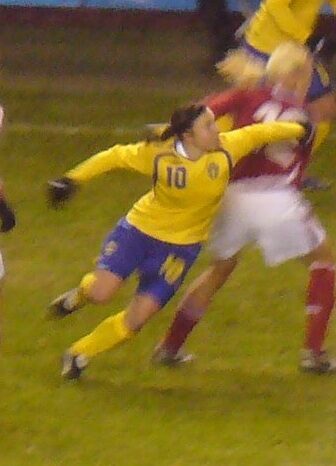
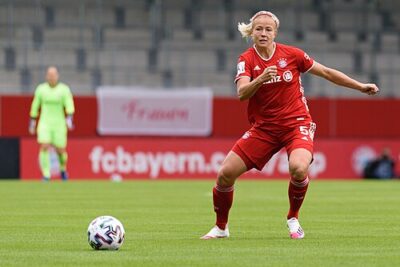
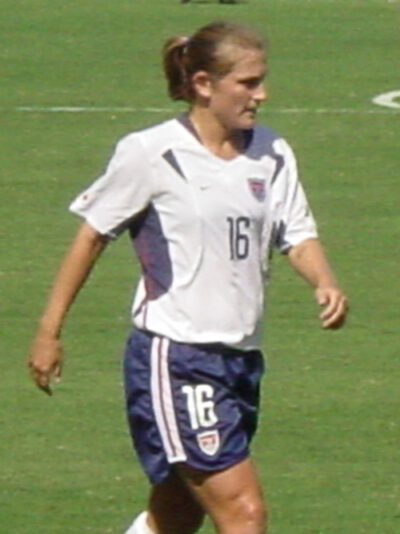
Sunnanå SK is an association football club in Skellefteå, Sweden. It was founded in 1939. It plays in the Damallsvenskan. Its home is Norrvalla IP.
- Sport
- association football
- League
- Damallsvenskan
- Home venue
- Norrvalla IP
- Founded
- 1939
All 8 facts, and where they come from
Facts
8 facts · 0 confirmed by two sources · 0 cited · 8 from one source
Where this comes from
Papalocal keeps its own record. It started from these sources; what each one said is kept here as it was copied, so a change on their side never changes this page by itself. Tap one to read its version.
What Wikidata says · copied November 17, 2026 · revision 2544296247
- Described as
- association football club in Skellefteå, Sweden
- What it is
- women's association football club
- Founded
- 1939
- Headquarters
- Skellefteå
- Country
- Sweden
- Sport
- association football
- League
- Damallsvenskan
- Home venue
- Norrvalla IP · 1 reference
- Official website
- http://www.sunnana.nu/
- Wikipedias with a page
- 7
Wikidata item Q502628 (wikidata.org/wiki/Q502628), public domain (CC0). Copied 2026-11-17.
What Wikipedia says · copied November 17, 2026 · revision 1293423264
Sunnanå SK is a football club from Skellefteå, Sweden who in 2024 plays in Elitettan, the second highest division of women's football in Sweden. The club was established in 1939 and the women's division was added in 1974. Sunnanå has played many seasons in the Women's premier division (Damallsvenskan) and hold two championship gold medals (1980,1982).
Sunnanå SK play their home games at Norrvalla Stadium in Skellefteå. The team colours are blue and white. The club is affiliated to the Västerbottens Fotbollförbund.
The club also plays futsal. In March 2017, the Boys' 17 team won the Swedish Championship by defeating IK Oddevold, 3–1, in the final game in Helsingborg.
From the Wikipedia article “Sunnanå SK” (en.wikipedia.org/wiki/Sunnanå_SK), by its contributors, under CC BY-SA 4.0 (creativecommons.org/licenses/by-sa/4.0/). Copied 2026-11-17; not changed.
Confirmed Two sources agree. Cited One source, and it names where it got it. One source One source, without a reference of its own. Sources disagree The sources disagree. We show the best-supported value and keep theirs below.