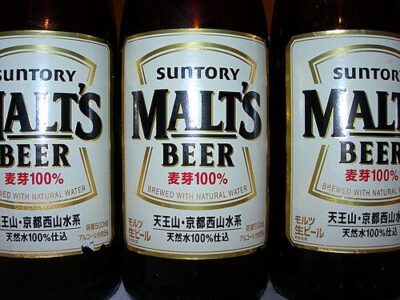
Suntory
Suntory is a Japanese beverage company. It was founded in 1899 by Shinjirō Torii. Its headquarters are in Dōjimahama.
- Founded
- February 1899
- Founded by
- Shinjirō Torii
- Headquarters
- Dōjimahama
- Industry
- beverage industry
- Country
- Japan
All 15 facts, and where they come from
Facts
15 facts · 0 confirmed by two sources · 2 cited · 13 from one source
Where this comes from
Papalocal keeps its own record. It started from these sources; what each one said is kept here as it was copied, so a change on their side never changes this page by itself. Tap one to read its version.
What Wikidata says · copied November 17, 2026 · revision 2564532417
- Described as
- Japanese beverage company
- What it is
- business; enterprise; brand
- Country of origin
- Japan
- Founded
- February 1899
- Founded by
- Shinjirō Torii
- Headquarters
- Dōjimahama
- Country
- Japan · 1 reference
- Industry
- beverage industry; brewing industry · 1 reference
- Chair
- Nobuhiro Torii (2025–) · 1 reference
- Part of
- Suntory Holdings
- Named after
- Sun; Torii
- Official website
- https://www.suntory.com/
- Wikipedias with a page
- 31
Wikidata item Q1345267 (wikidata.org/wiki/Q1345267), public domain (CC0). Copied 2026-11-17.
What Wikipedia says · copied November 17, 2026 · revision 1381436863
Suntory Holdings Limited is a Japanese multinational brewing and distilling company. Established in 1899, it is one of the oldest companies in the distribution of Western-style alcoholic beverages in Japan and one of the largest drinks companies in the world following its acquisition of Beam, Inc. in 2014.
Suntory produces a number of well-known alcohol and soft drink brands, including Jim Beam, Lucozade, Orangina, Maker's Mark, Ribena, and a range of Japanese whiskies. The company is headquartered in Osaka and employs 40,000 people globally.
From the Wikipedia article “Suntory” (en.wikipedia.org/wiki/Suntory), by its contributors, under CC BY-SA 4.0 (creativecommons.org/licenses/by-sa/4.0/). Copied 2026-11-17; not changed.
Confirmed Two sources agree. Cited One source, and it names where it got it. One source One source, without a reference of its own. Sources disagree The sources disagree. We show the best-supported value and keep theirs below.
Picture: thecrypt from UK, via Wikimedia Commons · CC BY-SA 2.0