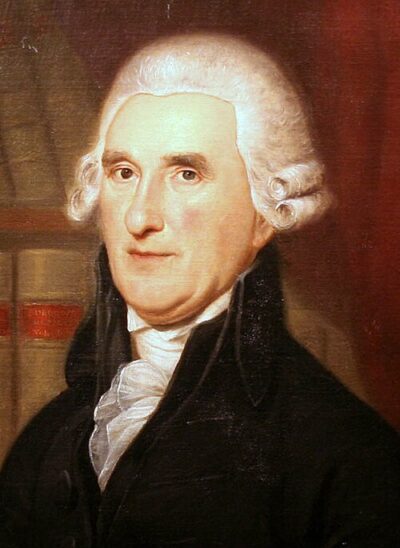
Supreme Court of Pennsylvania
The Supreme Court of Pennsylvania is the highest court in the U.S. state of Pennsylvania.
- Office of
- Pennsylvania
- Country
- United States
All 4 facts, and where they come from
Facts
4 facts · 0 confirmed by two sources · 0 cited · 4 from one source
Where this comes from
Papalocal keeps its own record. It started from these sources; what each one said is kept here as it was copied, so a change on their side never changes this page by itself. Tap one to read its version.
What Wikidata says · copied November 17, 2026 · revision 2508112608
- Described as
- the highest court in the U.S. state of Pennsylvania
- What it is
- U.S. state supreme court
- Located in
- Pennsylvania
- Country
- United States
- Office of
- Pennsylvania
- Wikipedias with a page
- 6
Wikidata item Q2785145 (wikidata.org/wiki/Q2785145), public domain (CC0). Copied 2026-11-17.
What Wikipedia says · copied November 17, 2026 · revision 1383170259
The Supreme Court of Pennsylvania is the highest court in the Commonwealth of Pennsylvania's Unified Judicial System. It began in 1684 as the Provincial Court, and casual references to it as the "Supreme Court" of Pennsylvania were made official in 1722 upon its reorganization as an entity separate from the control of the colonial governor. It is the oldest appellate court in the United States, a claim that is disputed by the Massachusetts Supreme Judicial Court.
The Supreme Court of Pennsylvania maintains a discretionary docket, meaning that the Court may choose which cases it accepts, with the exception of mandatory death penalty appeals, and certain appeals from the original jurisdiction of the Commonwealth Court. This discretion allows the Court to wield powerful influence on the formation and interpretation of Pennsylvania law.
From the Wikipedia article “Supreme Court of Pennsylvania” (en.wikipedia.org/wiki/Supreme_Court_of_Pennsylvania), by its contributors, under CC BY-SA 4.0 (creativecommons.org/licenses/by-sa/4.0/). Copied 2026-11-17; not changed.
Confirmed Two sources agree. Cited One source, and it names where it got it. One source One source, without a reference of its own. Sources disagree The sources disagree. We show the best-supported value and keep theirs below.