Sweet Dreams
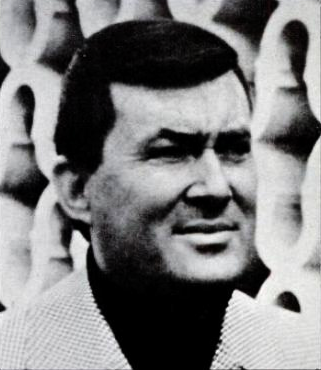
Sweet Dreams is an original song written, composed, and performed by Don Gibson. It came out in 1955. It is performed by Wipers and Patsy Cline.
- Released
- 1955
- Performed by
- Don Gibson
- Genre
- country music
All 8 facts, and where they come from
Facts
8 facts · 0 confirmed by two sources · 1 cited · 7 from one source
Where this comes from
Papalocal keeps its own record. It started from these sources; what each one said is kept here as it was copied, so a change on their side never changes this page by itself. Tap one to read its version.
What Wikidata says · copied November 19, 2026 · revision 2570821067
- Described as
- original song written, composed, and performed by Don Gibson
- Other names
- Sweet Dreams of You
- What it is
- musical work/composition
- Performed by
- Don Gibson; Wipers; Patsy Cline
- Music by
- Don Gibson · 1 reference
- Genre
- country music · 1 reference
- Released
- 1955
- Language
- English
- Wikipedias with a page
- 3
Wikidata item Q7655285 (wikidata.org/wiki/Q7655285), public domain (CC0). Copied 2026-11-19.
What Wikipedia says · copied November 19, 2026 · revision 1361680566
"Sweet Dreams" or "Sweet Dreams (of You)" is a country ballad, which was written by Don Gibson. Gibson originally recorded the song in 1955; his version hit the top ten of Billboard's country chart, but was eclipsed by the success of a competing recording by Faron Young. In 1960, after Gibson had established himself as a popular country musician, he released a new take as a single. This version also charted in the top ten on the country chart and also crossed over to the Billboard Hot 100, where it peaked at No. 93. The song has become a country standard, with other notable versions by Patsy Cline and Emmylou Harris.
From the Wikipedia article “Sweet Dreams (Don Gibson song)” (en.wikipedia.org/wiki/Sweet_Dreams_(Don_Gibson_song)), by its contributors, under CC BY-SA 4.0 (creativecommons.org/licenses/by-sa/4.0/). Copied 2026-11-19; not changed.
Confirmed Two sources agree. Cited One source, and it names where it got it. One source One source, without a reference of its own. Sources disagree The sources disagree. We show the best-supported value and keep theirs below.