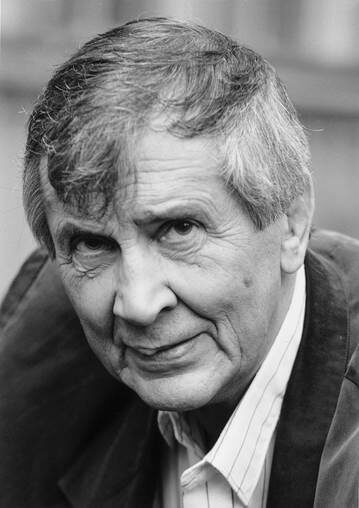
Symphony No. 7
Symphony No. 7 is a symphony by Einojuhani Rautavaara. It came out in 1994.
- Came out
- 1994
All 4 facts, and where they come from
Facts
4 facts · 0 confirmed by two sources · 0 cited · 4 from one source
Where this comes from
Papalocal keeps its own record. It started from these sources; what each one said is kept here as it was copied, so a change on their side never changes this page by itself. Tap one to read its version.
What Wikidata says · copied November 17, 2026 · revision 2550186262
- Described as
- symphony by Einojuhani Rautavaara
- Other names
- Symphony No. 7 Angel of Light, Angel of Light, Symphony No. 7 by Einojuhani Rautavaara
- What it is
- musical work/composition
- Music by
- Einojuhani Rautavaara
- Publisher
- Fennica Gehrman
- Came out
- 1994
- Wikipedias with a page
- 4
Wikidata item Q7661609 (wikidata.org/wiki/Q7661609), public domain (CC0). Copied 2026-11-17.
What Wikipedia says · copied November 17, 2026 · revision 1373509112
Finnish composer Einojuhani Rautavaara wrote his Symphony No. 7, subtitled Angel of Light, in 1994. It was originally known as The Bloomington Symphony, as it was commissioned to celebrate the 25th anniversary of the founding of the Bloomington Symphony Orchestra. Belonging to his Angel Series, inspired by childhood dreams and revelations, the symphony has won wide popularity for its deep spirituality. The première performance was by the Bloomington Symphony Orchestra in 1994. In 1997, the première recording, by Leif Segerstam, was nominated for the Grammy Award for "Best Classical Contemporary Composition".
There are four movements:
From the Wikipedia article “Symphony No. 7 (Rautavaara)” (en.wikipedia.org/wiki/Symphony_No._7_(Rautavaara)), by its contributors, under CC BY-SA 4.0 (creativecommons.org/licenses/by-sa/4.0/). Copied 2026-11-17; not changed.
Confirmed Two sources agree. Cited One source, and it names where it got it. One source One source, without a reference of its own. Sources disagree The sources disagree. We show the best-supported value and keep theirs below.