T. J. Hooker
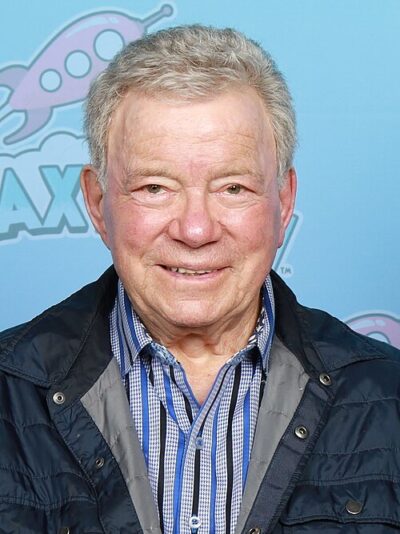
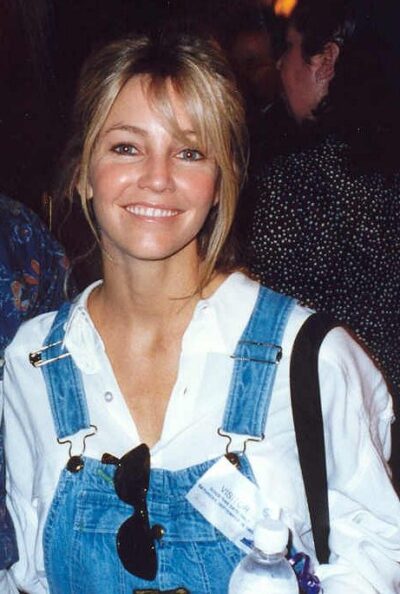
T. J. Hooker is a television series. It was created by Aaron Spelling. It stars William Shatner, Heather Locklear and Adrian Zmed.
- Created by
- Aaron Spelling
- Genre
- police television drama
- Country of origin
- United States
All 13 facts, and where they come from
Facts
13 facts · 0 confirmed by two sources · 1 cited · 12 from one source
Where this comes from
Papalocal keeps its own record. It started from these sources; what each one said is kept here as it was copied, so a change on their side never changes this page by itself. Tap one to read its version.
What Wikidata says · copied November 16, 2026 · revision 2569141406
- Described as
- television series
- What it is
- television series
- Created by
- Aaron Spelling
- Music by
- Mark Snow
- Starring
- William Shatner; Heather Locklear; Adrian Zmed; Richard Herd; James Darren
- Genre
- police television drama; crime television series
- Original language
- English · 1 reference
- Country of origin
- United States
- Official website
- http://www.tj-hooker.com/
- Wikipedias with a page
- 16
Wikidata item Q178724 (wikidata.org/wiki/Q178724), public domain (CC0). Copied 2026-11-16.
What Wikipedia says · copied November 16, 2026 · revision 1380185564
T. J. Hooker is an American police procedural television program starring William Shatner in the title role as a 15-year veteran police sergeant. It premiered as a mid-season replacement on March 13, 1982, on ABC and ran until May 4, 1985. The show was then picked up for a final season by CBS.
The abbreviation L.C.P.D., used in the series, stands for "Lake City Police Department" per the creator Rick Husky and the seal on the door of LCPD's police vehicles. Fictional Lake City was a stand-in for Los Angeles; the Lake City Police Academy exteriors were filmed at the Los Angeles Police Academy 1166 Academy Rd., Los Angeles, California, USA.
From the Wikipedia article “T. J. Hooker” (en.wikipedia.org/wiki/T._J._Hooker), by its contributors, under CC BY-SA 4.0 (creativecommons.org/licenses/by-sa/4.0/). Copied 2026-11-16; not changed.
Confirmed Two sources agree. Cited One source, and it names where it got it. One source One source, without a reference of its own. Sources disagree The sources disagree. We show the best-supported value and keep theirs below.