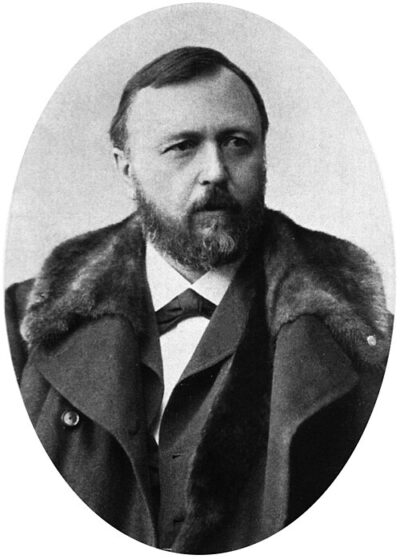
Textbook of Forensic Psychopathology: Considering the Legislation of Austria, Germany, and France
Textbook of Forensic Psychopathology: Considering the Legislation of Austria, Germany, and France is a book by Richard von Krafft-Ebing published in 1875.
- Published
- 1875
- Written by
- Richard von Krafft-Ebing
All 5 facts, and where they come from
Facts
5 facts · 0 confirmed by two sources · 0 cited · 5 from one source
Where this comes from
Papalocal keeps its own record. It started from these sources; what each one said is kept here as it was copied, so a change on their side never changes this page by itself. Tap one to read its version.
What Wikidata says · copied November 17, 2026 · revision 2261718261
- Described as
- book by Richard von Krafft-Ebing published in 1875
- What it is
- written work
- Written by
- Richard von Krafft-Ebing
- Published
- 1875
- Language
- German; English
- Wikipedias with a page
- 2
Wikidata item Q129828448 (wikidata.org/wiki/Q129828448), public domain (CC0). Copied 2026-11-17.
What Wikipedia says · copied November 17, 2026 · revision 1360741155
Lehrbuch der gerichtlichen Psychopathologie mit Berücksichtigung der Gesetzgebung von Österreich, Deutschland und Frankreich (English: Textbook of Forensic Psychopathology: Considering the Legislation of Austria, Germany, and France) is a book written by Richard von Krafft-Ebing in 1875 with subsequent revisions in 1881 and 1892. The book examines the intersection of mental illness and criminal behavior and thereby provides a framework for understanding and assessing the psychological conditions of offenders within a legal context.
From the Wikipedia article “Textbook of Forensic Psychopathology” (en.wikipedia.org/wiki/Textbook_of_Forensic_Psychopathology), by its contributors, under CC BY-SA 4.0 (creativecommons.org/licenses/by-sa/4.0/). Copied 2026-11-17; not changed.
Confirmed Two sources agree. Cited One source, and it names where it got it. One source One source, without a reference of its own. Sources disagree The sources disagree. We show the best-supported value and keep theirs below.