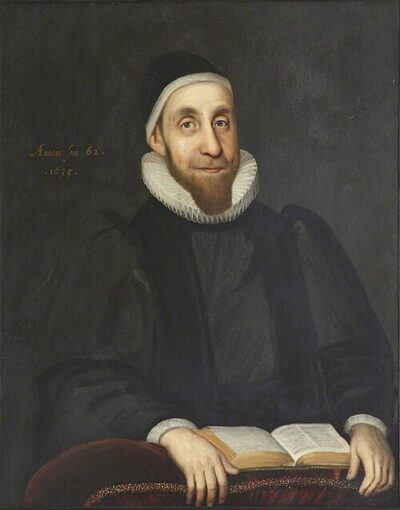
The Anatomy of Melancholy
The Anatomy of Melancholy is a 17th century encyclopedia of physical and psychological data, anecdote and quotation. It came out in 1621. It was written by Robert Burton.
- Published
- 1621
- Written by
- Robert Burton
- Genre
- essay
- Country of origin
- Kingdom of England
All 6 facts, and where they come from
Facts
6 facts · 0 confirmed by two sources · 0 cited · 6 from one source
Where this comes from
Papalocal keeps its own record. It started from these sources; what each one said is kept here as it was copied, so a change on their side never changes this page by itself. Tap one to read its version.
What Wikidata says · copied November 17, 2026 · revision 2536472796
- Described as
- 17th century encyclopedia of physical and psychological data, anecdote and quotation
- Other names
- '' The Anatomy of Melancholy '', Anatomy of Melancholy, Anatomy of Melancholy, The
- What it is
- literary work
- Written by
- Robert Burton
- Genre
- essay
- Published
- 1621
- Language
- Early Modern English
- Country of origin
- Kingdom of England
- Wikipedias with a page
- 21
Wikidata item Q469755 (wikidata.org/wiki/Q469755), public domain (CC0). Copied 2026-11-17.
What Wikipedia says · copied November 17, 2026 · revision 1384223463
The Anatomy of Melancholy (full title: The Anatomy of Melancholy, What it is: With all the Kinds, Causes, Symptomes, Prognostickes, and Several Cures of it. In Three Maine Partitions with their several Sections, Members, and Subsections. Philosophically, Medicinally, Historically, Opened and Cut Up) is a book by Robert Burton, first published in 1621 but republished five more times over the next seventeen years with massive alterations and expansions.
The book is a medical treatise about melancholy (depression). Over 500,000 words long, it discusses a wide range of topics besides depression – including history, astronomy, geography, and various aspects of literature and science – and frequently uses humour to make points or explain topics. Burton wrote it under the pseudonym Democritus Junior as a reference to the Ancient Greek "laughing philosopher" Democritus.
The Anatomy of Melancholy inspired several writers of the following centuries, such as Enlightenment figures like Samuel Johnson and modern authors like Philip Pullman. Romantic poet John Keats said Anatomy was his favourite book. Portions of Burton's writing were used by Laurence Sterne in Tristram Shandy during the 1750s and 1760s.
From the Wikipedia article “The Anatomy of Melancholy” (en.wikipedia.org/wiki/The_Anatomy_of_Melancholy), by its contributors, under CC BY-SA 4.0 (creativecommons.org/licenses/by-sa/4.0/). Copied 2026-11-17; not changed.
Confirmed Two sources agree. Cited One source, and it names where it got it. One source One source, without a reference of its own. Sources disagree The sources disagree. We show the best-supported value and keep theirs below.
Picture: Wikimedia Commons: Robert Burton's Anatomy of Melancholy, 1626, 2nd edition.jpg · See Commons file page