The Art of War
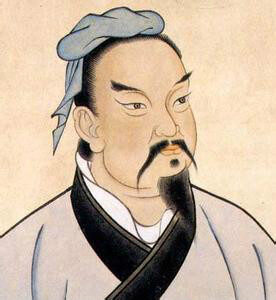
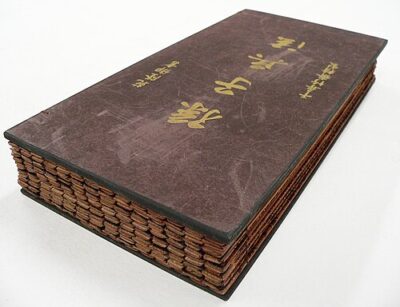
The Art of War is a 5th century BC Chinese military treatise. It was written by Sun Tzu. It is part of Seven Military Classics.
- Written by
- Sun Tzu
- Genre
- economics
- Country of origin
- China
All 10 facts, and where they come from
Facts
10 facts · 0 confirmed by two sources · 1 cited · 9 from one source
Where this comes from
Papalocal keeps its own record. It started from these sources; what each one said is kept here as it was copied, so a change on their side never changes this page by itself. Tap one to read its version.
What Wikidata says · copied November 17, 2026 · revision 2569962214
- Described as
- 5th century BC Chinese military treatise
- Other names
- Art of War, Sūnzǐ Bīngfǎ, Sunzi Bingfa
- What it is
- written work
- Written by
- Sun Tzu
- Genre
- economics · 1 reference; treatise; treatise on war
- Language
- Classical Chinese; Chinese · 1 reference
- Country of origin
- China · 1 reference; People's Republic of China · 1 reference
- Part of the series
- Seven Military Classics
- Wikipedias with a page
- 128
Wikidata item Q8251 (wikidata.org/wiki/Q8251), public domain (CC0). Copied 2026-11-17.
What Wikipedia says · copied November 17, 2026 · revision 1384222070
The Art of War is an ancient Chinese military treatise dating from the late Spring and Autumn period (roughly 5th century BC). The work, which is attributed to the ancient Chinese military strategist Sun Tzu ("Master Sun"), is composed of 13 chapters. Each chapter is devoted to a different set of skills or arts related to warfare, finance and how they apply to military strategy and tactics. For almost 1,500 years, it was the lead text in an anthology that was formalized as the Seven Military Classics by Emperor Shenzong of Song in 1080. The Art of War remains one of the most influential works on strategy of all time and has shaped both East Asian and Western military theory and thinking.
The treatise comprises a detailed explanation and analysis of the 5th-century BC Chinese military, from weapons, environmental conditions, financial logistics and strategy to morale, rank and discipline. Sun portrays war as a costly, destructive last resort; prolonged warfare erodes the state faster than the enemy ever could. Sun uses diplomacy and economic principles in explaining how to keep war brief, contained, controlled, and as cheap as possible by minimizing financial exposure. Sun also stresses the importance of intelligence operatives and espionage to both the war effort and the prevention of war. Considered one of history's finest military tacticians and analysts, his teachings and strategies formed the basis of advanced military training throughout the world.
The text was first translated into a European language in 1772, when the French Jesuit priest Jean Joseph Marie Amiot produced a French version. The first annotated English translation was published in 1910 by the British scholar Lionel Giles. Military and political leaders such as the Chinese communist revolutionary Mao Zedong, Japanese daimyō Takeda Shingen, Vietnamese general Võ Nguyên Giáp, and American generals Douglas MacArthur and Norman Schwarzkopf Jr. are all cited as having drawn inspiration from the book.
From the Wikipedia article “The Art of War” (en.wikipedia.org/wiki/The_Art_of_War), by its contributors, under CC BY-SA 4.0 (creativecommons.org/licenses/by-sa/4.0/). Copied 2026-11-17; not changed.
Confirmed Two sources agree. Cited One source, and it names where it got it. One source One source, without a reference of its own. Sources disagree The sources disagree. We show the best-supported value and keep theirs below.
Picture: vlasta2, bluefootedbooby on flickr.com, via Wikimedia Commons · CC BY 2.0