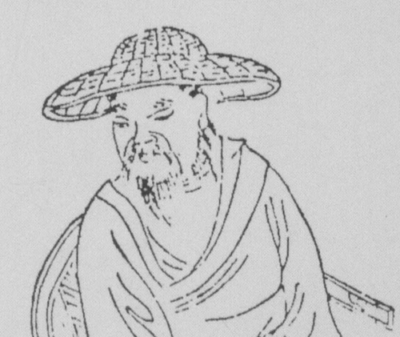
The Carnal Prayer Mat
The Carnal Prayer Mat is a 1657 novel by Li Yu.
- Published
- 1657
- Written by
- Li Yu
- Genre
- erotica
- Country of origin
- People's Republic of China
All 6 facts, and where they come from
Facts
6 facts · 0 confirmed by two sources · 0 cited · 6 from one source
Where this comes from
Papalocal keeps its own record. It started from these sources; what each one said is kept here as it was copied, so a change on their side never changes this page by itself. Tap one to read its version.
What Wikidata says · copied November 17, 2026 · revision 2517885840
- Described as
- 1657 novel by Li Yu
- Other names
- The Karmic Cycle, Zen After Awakening
- What it is
- literary work
- Written by
- Li Yu
- Genre
- erotica
- Published
- 1657
- Language
- Mandarin
- Country of origin
- People's Republic of China
- Wikipedias with a page
- 13
Wikidata item Q471564 (wikidata.org/wiki/Q471564), public domain (CC0). Copied 2026-11-17.
What Wikipedia says · copied November 17, 2026 · revision 1385230267
Rouputuan, also known as Huiquanbao and Juehouchan, and translated as The Carnal Prayer Mat or The Before Midnight Scholar, is a 17th-century Chinese erotic novel published under a pseudonym but usually attributed to Li Yu. It was written in 1657 and published in 1693 during the Qing dynasty. It is divided into four volumes of five chapters apiece. It was published in Japan in 1705 as Nikubuton with a preface proclaiming it the greatest erotic novel of all time.
The novel had a controversial status in Chinese literature, and has long been banned and censored; recent scholarship treats the work as an allegory which uses its unabashed pornographic nature to attack Confucian puritanism. The prologue comments that sex is healthy when taken as if it were a drug, but not as if it were ordinary food.
From the Wikipedia article “The Carnal Prayer Mat” (en.wikipedia.org/wiki/The_Carnal_Prayer_Mat), by its contributors, under CC BY-SA 4.0 (creativecommons.org/licenses/by-sa/4.0/). Copied 2026-11-17; not changed.
Confirmed Two sources agree. Cited One source, and it names where it got it. One source One source, without a reference of its own. Sources disagree The sources disagree. We show the best-supported value and keep theirs below.
Picture: Wikimedia Commons: Rouputuan1705.jpg · See Commons file page