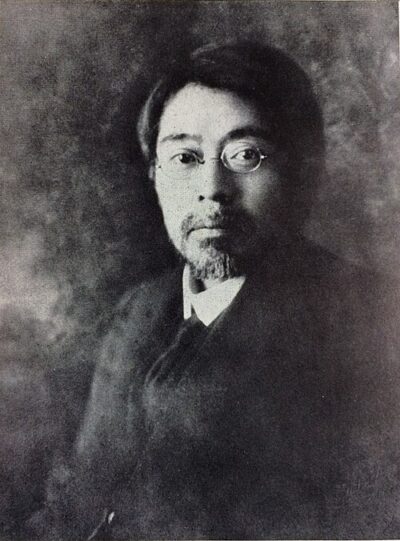
The Cuckoo
The Cuckoo is a novel by Kenjirō Tokutomi. It came out in 1900.
- Published
- 1900
- Written by
- Kenjirō Tokutomi
- Country of origin
- Japan
All 6 facts, and where they come from
Facts
6 facts · 0 confirmed by two sources · 0 cited · 6 from one source
Where this comes from
Papalocal keeps its own record. It started from these sources; what each one said is kept here as it was copied, so a change on their side never changes this page by itself. Tap one to read its version.
What Wikidata says · copied November 19, 2026 · revision 2550835602
- Described as
- novel by Kenjirō Tokutomi
- Other names
- Hototogisu, 不如帰, Namiko
- What it is
- literary work
- Written by
- Kenjirō Tokutomi
- Publisher
- Min'yūsha
- Published
- 1900
- Language
- Japanese
- Country of origin
- Japan
- Wikipedias with a page
- 4
Wikidata item Q11361680 (wikidata.org/wiki/Q11361680), public domain (CC0). Copied 2026-11-19.
What Wikipedia says · copied November 19, 2026 · revision 1384404213
The Cuckoo (不如帰, Hototogisu), also called Nami-ko in English, is a Japanese novel first published by Kenjirō Tokutomi (under the pen name Rōka Tokutomi) in serialized form between 1898 and 1899. It was republished as a book in 1900 and became a bestseller. Beginning in 1904, it was also widely translated and read in the United States and Europe. The story is a tragic melodrama about the family conflict that ensues when Namiko, a young wife, contracts tuberculosis. Her husband initially resists his mother's pressure to end the marriage, but when he is drafted into the First Sino-Japanese War, his mother dissolves their marriage and Namiko dies. The novel critiques Japanese feudal values, especially the vulnerable social position of women.
From the Wikipedia article “The Cuckoo (novel)” (en.wikipedia.org/wiki/The_Cuckoo_(novel)), by its contributors, under CC BY-SA 4.0 (creativecommons.org/licenses/by-sa/4.0/). Copied 2026-11-19; not changed.
Confirmed Two sources agree. Cited One source, and it names where it got it. One source One source, without a reference of its own. Sources disagree The sources disagree. We show the best-supported value and keep theirs below.