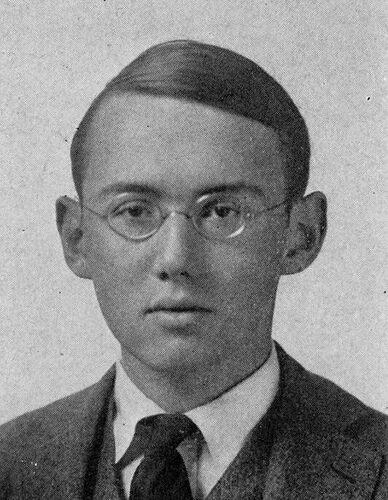
The Devil and Daniel Webster
The Devil and Daniel Webster is a 1936 short story by Stephen Vincent Benét. It came out in 1937. It won the O. Henry Award.
- Published
- 1937
- Written by
- Stephen Vincent Benét
- Genre
- fantasy
- Country of origin
- United States
All 8 facts, and where they come from
Facts
8 facts · 0 confirmed by two sources · 0 cited · 8 from one source
Where this comes from
Papalocal keeps its own record. It started from these sources; what each one said is kept here as it was copied, so a change on their side never changes this page by itself. Tap one to read its version.
What Wikidata says · copied November 17, 2026 · revision 2549926037
- Described as
- 1936 short story by Stephen Vincent Benét
- What it is
- literary work
- Written by
- Stephen Vincent Benét
- Publisher
- Farrar & Rinehart
- Genre
- fantasy
- Published
- 1937
- Language
- English
- Country of origin
- United States
- Awards
- O. Henry Award
- Wikipedias with a page
- 5
Wikidata item Q7729994 (wikidata.org/wiki/Q7729994), public domain (CC0). Copied 2026-11-17.
What Wikipedia says · copied November 17, 2026 · revision 1381769091
"The Devil and Daniel Webster" (1936) is a short story by American writer Stephen Vincent Benét. He tells of a New Hampshire farmer who sells his soul to the devil and is later defended by a fictionalized Daniel Webster, a noted 19th-century American statesman, lawyer and orator. The narrative references real events in the lives of Webster and his family.
The story appeared in The Saturday Evening Post (October 24, 1936) and was published in book form by Farrar & Rinehart the following year. The story won the O. Henry Award. The author also adapted it in 1938 as a folk opera, with music by Douglas Stuart Moore, a fellow Yale University alumnus.
From the Wikipedia article “The Devil and Daniel Webster” (en.wikipedia.org/wiki/The_Devil_and_Daniel_Webster), by its contributors, under CC BY-SA 4.0 (creativecommons.org/licenses/by-sa/4.0/). Copied 2026-11-17; not changed.
Confirmed Two sources agree. Cited One source, and it names where it got it. One source One source, without a reference of its own. Sources disagree The sources disagree. We show the best-supported value and keep theirs below.