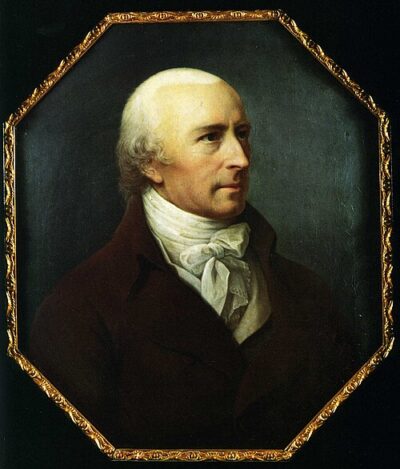
The Discovery of America
The Discovery of America is a book by Joachim Heinrich Campe. It came out in 1781.
- Came out
- 1781
- Created by
- Joachim Heinrich Campe
All 4 facts, and where they come from
Facts
4 facts · 0 confirmed by two sources · 0 cited · 4 from one source
Where this comes from
Papalocal keeps its own record. It started from these sources; what each one said is kept here as it was copied, so a change on their side never changes this page by itself. Tap one to read its version.
What Wikidata says · copied November 18, 2026 · revision 1779268472
- Described as
- book by Joachim Heinrich Campe
- What it is
- children's literature
- Created by
- Joachim Heinrich Campe
- Language
- German
- Came out
- 1781
- Wikipedias with a page
- 2
Wikidata item Q17324555 (wikidata.org/wiki/Q17324555), public domain (CC0). Copied 2026-11-18.
What Wikipedia says · copied November 18, 2026 · revision 1374410778
The Discovery of America is a trilogy written by the German author and educator Joachim Heinrich Campe (1746–1818). It was originally published in 1781/82 as Die Entdekkung von Amerika – ein angenehmes und nützliches Lesebuch für Kinder und junge Leute and deals with the discovery, early exploration and conquest of America by focusing on one explorer in each volume: Christopher Columbus is treated first, followed by Hernán Cortés and finally Francisco Pizarro. The work is counted among the first books of specific children's literature, directly targeting children and adolescents as its main audience, and Campe is said to have "set the standard for German children's literature." The trilogy is defined by its author's involvement in the German educational movement of philanthropinism and has been a great success, also being translated into several languages.
From the Wikipedia article “The Discovery of America” (en.wikipedia.org/wiki/The_Discovery_of_America), by its contributors, under CC BY-SA 4.0 (creativecommons.org/licenses/by-sa/4.0/). Copied 2026-11-18; not changed.
Confirmed Two sources agree. Cited One source, and it names where it got it. One source One source, without a reference of its own. Sources disagree The sources disagree. We show the best-supported value and keep theirs below.