The Execution of Emperor Maximilian
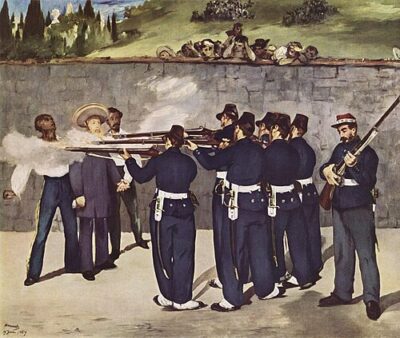
The Execution of Emperor Maximilian is a group of paintings by Édouard Manet. It came out in 1867.
- Came out
- 1867
- Created by
- Édouard Manet
- Genre
- history painting
All 6 facts, and where they come from
Facts
6 facts · 0 confirmed by two sources · 3 cited · 3 from one source
Where this comes from
Papalocal keeps its own record. It started from these sources; what each one said is kept here as it was copied, so a change on their side never changes this page by itself. Tap one to read its version.
What Wikidata says · copied November 17, 2026 · revision 2568281529
- Described as
- group of paintings by Édouard Manet
- Other names
- The Execution of the Emperor Maximilian, The Execution of Maximilian, The Execution of Emperor Maximilan (series), The Execution of Emperor Maximilan
- What it is
- painting series
- Created by
- Édouard Manet · 1 reference
- Genre
- history painting; French Realism · 1 reference
- Came out
- 1867 · 1 reference
- Country
- France
- Wikipedias with a page
- 24
Wikidata item Q1212269 (wikidata.org/wiki/Q1212269), public domain (CC0). Copied 2026-11-17.
What Wikipedia says · copied November 17, 2026 · revision 1384941382
The Execution of Emperor Maximilian is a series of paintings by Édouard Manet from 1867 to 1869, depicting the execution by firing squad of Emperor Maximilian I of the short-lived Second Mexican Empire. Manet produced three large oil paintings, a smaller oil sketch and a lithograph of the same subject. All five works were brought together for an exhibition in London and Mannheim in 1992–1993 and at the Museum of Modern Art in New York in 2006.
From the Wikipedia article “The Execution of Emperor Maximilian” (en.wikipedia.org/wiki/The_Execution_of_Emperor_Maximilian), by its contributors, under CC BY-SA 4.0 (creativecommons.org/licenses/by-sa/4.0/). Copied 2026-11-17; not changed.
Confirmed Two sources agree. Cited One source, and it names where it got it. One source One source, without a reference of its own. Sources disagree The sources disagree. We show the best-supported value and keep theirs below.
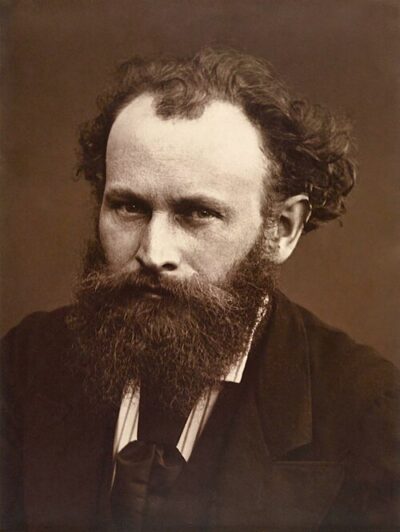
Picture: Édouard Manet, via Wikimedia Commons · Public domain