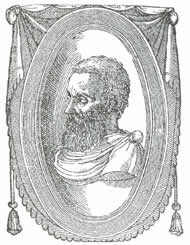
The Facetious Nights of Straparola
The Facetious Nights of Straparola is a 1550 short story collection by Giovanni Francesco Straparola.
- Published
- 1550 (1550–1553)
- Came out
- 1550
- Written by
- Giovanni Francesco Straparola
- Genre
- group of literary works
- Country of origin
- Italy
All 7 facts, and where they come from
Facts
7 facts · 0 confirmed by two sources · 0 cited · 7 from one source
Where this comes from
Papalocal keeps its own record. It started from these sources; what each one said is kept here as it was copied, so a change on their side never changes this page by itself. Tap one to read its version.
What Wikidata says · copied November 17, 2026 · revision 2568336999
- Described as
- 1550 short story collection by Giovanni Francesco Straparola
- Other names
- The Nights of Straparola, The Most Delectable Nights of Straparola of Caravaggio, Le piacevoli notti
- What it is
- literary work
- Written by
- Giovanni Francesco Straparola
- Genre
- group of literary works
- Published
- 1550 (1550–1553); 1550
- Language
- Italian · 1 reference
- Country of origin
- Italy
- Came out
- 1550; 1550
- Wikipedias with a page
- 13
Wikidata item Q2527400 (wikidata.org/wiki/Q2527400), public domain (CC0). Copied 2026-11-17.
What Wikipedia says · copied November 17, 2026 · revision 1380187207
The Facetious Nights of Straparola (1550–1555; Italian: Le piacevoli notti), also known as The Nights of Straparola, is a two-volume collection of 75 stories by Italian author and fairy-tale collector Giovanni Francesco Straparola. Modeled after Boccaccio's Decameron, it is significant as often being called the first European storybook to contain fairy-tales; it would influence later fairy-tale authors like Charles Perrault and Jacob and Wilhelm Grimm. It contains the earliest Puss in Boots version.
From the Wikipedia article “The Facetious Nights of Straparola” (en.wikipedia.org/wiki/The_Facetious_Nights_of_Straparola), by its contributors, under CC BY-SA 4.0 (creativecommons.org/licenses/by-sa/4.0/). Copied 2026-11-17; not changed.
Confirmed Two sources agree. Cited One source, and it names where it got it. One source One source, without a reference of its own. Sources disagree The sources disagree. We show the best-supported value and keep theirs below.
Picture: Wikimedia Commons: Straparola's The Crucifix Comes To Life.jpg · See Commons file page