The Fairylogue and Radio-Plays
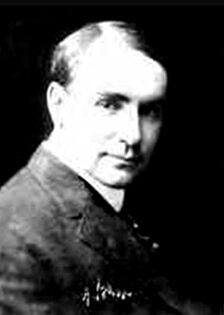
The Fairylogue and Radio-Plays is a 1908 film by Francis Boggs, Otis Turner. It stars L. Frank Baum.
- Released
- 1908
- Directed by
- Francis Boggs
- Genre
- silent film
- Country of origin
- United States
All 13 facts, and where they come from
Facts
13 facts · 0 confirmed by two sources · 0 cited · 13 from one source
Where this comes from
Papalocal keeps its own record. It started from these sources; what each one said is kept here as it was copied, so a change on their side never changes this page by itself. Tap one to read its version.
What Wikidata says · copied November 19, 2026 · revision 2550904106
- Described as
- 1908 film by Francis Boggs, Otis Turner
- Other names
- Fairylogue and Radio-Plays
- What it is
- film
- Directed by
- Francis Boggs; Otis Turner
- Music by
- Nathaniel D. Mann
- Screenplay by
- L. Frank Baum; Otis Turner
- Produced by
- Otis Turner; L. Frank Baum
- Starring
- L. Frank Baum
- Genre
- silent film
- Released
- 1908
- Original language
- English
- Country of origin
- United States
- Wikipedias with a page
- 12
Wikidata item Q3986977 (wikidata.org/wiki/Q3986977), public domain (CC0). Copied 2026-11-19.
What Wikipedia says · copied November 19, 2026 · revision 1365975627
The Fairylogue and Radio-Plays was an early attempt to bring L. Frank Baum's Oz books to the motion picture screen. It was a mixture of live actors, hand-tinted magic lantern slides, and film. Baum himself would appear as if he were giving a lecture, while he interacted with the characters (both on stage and on screen). Although acclaimed throughout its tour, the show experienced budgetary problems (with the show costing more to produce than the money that sold-out houses could bring in) and folded after two months of performances. It opened in Grand Rapids, Michigan on September 24, 1908. It then ran in Orchestra Hall in Chicago on October 1, toured the country and ended its run in New York City. There, it was scheduled to run through December 31, and ads for it continued to run in The New York Times until then, but it reportedly closed on December 16.
Although today seen mostly as a failed first effort to adapt the Oz books, The Fairylogue and Radio-Plays is notable in film history because it contains the earliest original film score to be documented.
The film is lost, but the script for Baum's narration and production stills survive.
From the Wikipedia article “The Fairylogue and Radio-Plays” (en.wikipedia.org/wiki/The_Fairylogue_and_Radio-Plays), by its contributors, under CC BY-SA 4.0 (creativecommons.org/licenses/by-sa/4.0/). Copied 2026-11-19; not changed.
Confirmed Two sources agree. Cited One source, and it names where it got it. One source One source, without a reference of its own. Sources disagree The sources disagree. We show the best-supported value and keep theirs below.
Picture: Wikimedia Commons: Fairylogue.jpg · See Commons file page