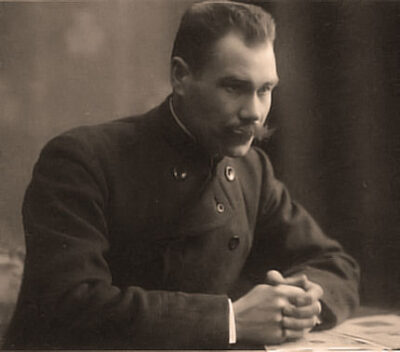
The Fugitives
The Fugitives is a Finnish novella by Johannes Linnankoski. It came out in 1908.
- Published
- 1908
- Written by
- Johannes Linnankoski
All 5 facts, and where they come from
Facts
5 facts · 0 confirmed by two sources · 0 cited · 5 from one source
Where this comes from
Papalocal keeps its own record. It started from these sources; what each one said is kept here as it was copied, so a change on their side never changes this page by itself. Tap one to read its version.
What Wikidata says · copied November 17, 2026 · revision 2184320736
- Described as
- Finnish novella by Johannes Linnankoski
- What it is
- literary work
- Written by
- Johannes Linnankoski
- Publisher
- WSOY
- Published
- 1908
- Language
- Finnish
- Wikipedias with a page
- 2
Wikidata item Q96408737 (wikidata.org/wiki/Q96408737), public domain (CC0). Copied 2026-11-17.
What Wikipedia says · copied November 17, 2026 · revision 1384464121
The Fugitives (Finnish: Pakolaiset) is a novella by Finnish writer Johannes Linnankoski, published in 1908, and it is considered to be one of the author's most significant works, alongside The Song of the Blood-Red Flower. Set in Tavastia, a story is about agrarian society and peasants' pride and reconciliation. The work has been translated up to eleven languages.
The story was based on actual events; at the time of writing the novella, Johannes Linnankoski lived at Lapinlahti in 1902, when a peasant family from Akaa settled there, and as in novella, an old couple's daughter married an elderly widow but had an illegitimate child with another man. Shame about adultery and fear of gossip was apparently the real reason for the move to Savonia. Linnankoski transferred the events to his story. In the village of Alapitkä, the Hovi House—where Linnankoski lived—was at the center of the book.
From the Wikipedia article “The Fugitives (novella)” (en.wikipedia.org/wiki/The_Fugitives_(novella)), by its contributors, under CC BY-SA 4.0 (creativecommons.org/licenses/by-sa/4.0/). Copied 2026-11-17; not changed.
Confirmed Two sources agree. Cited One source, and it names where it got it. One source One source, without a reference of its own. Sources disagree The sources disagree. We show the best-supported value and keep theirs below.