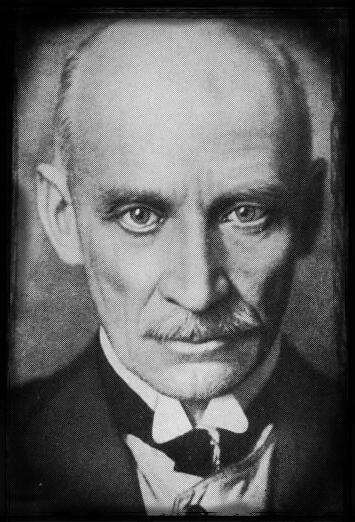
The Golem
The Golem is a novel by Gustav Meyrink. It came out in 1915.
- Published
- 1915
- Written by
- Gustav Meyrink
- Genre
- horror fiction
- Country of origin
- Germany
All 9 facts, and where they come from
Facts
9 facts · 0 confirmed by two sources · 1 cited · 8 from one source
Where this comes from
Papalocal keeps its own record. It started from these sources; what each one said is kept here as it was copied, so a change on their side never changes this page by itself. Tap one to read its version.
What Wikidata says · copied November 17, 2026 · revision 2563047908
- Described as
- novel by Gustav Meyrink
- What it is
- literary work
- Written by
- Gustav Meyrink · 1 reference
- Genre
- horror fiction; weird fiction; speculative fiction
- Published
- 1915
- Language
- German
- Country of origin
- Germany; Austria
- Wikipedias with a page
- 19
Wikidata item Q673861 (wikidata.org/wiki/Q673861), public domain (CC0). Copied 2026-11-17.
What Wikipedia says · copied November 17, 2026 · revision 1384237750
The Golem (original German title: Der Golem) is a Gothic novel written by Gustav Meyrink between 1907 and 1914. First published in serial form from December 1913 to August 1914 in the periodical Die Weißen Blätter, The Golem was published in book form in 1915 by Kurt Wolff, Leipzig. The Golem was Meyrink's first novel. It sold over 200,000 copies in 1915. It became his most popular and successful literary work, and is generally described as the most "accessible" of his full-length novels. It was first translated into English in 1928.
The novel has an anonymous narrator, who has a visionary dream. It explores the theme of the unreliable narrator. The narrator is somehow able to chronicle the life of the jeweler Athanasius Pernath by assuming Pernath's identity.
From the Wikipedia article “The Golem (Meyrink novel)” (en.wikipedia.org/wiki/The_Golem_(Meyrink_novel)), by its contributors, under CC BY-SA 4.0 (creativecommons.org/licenses/by-sa/4.0/). Copied 2026-11-17; not changed.
Confirmed Two sources agree. Cited One source, and it names where it got it. One source One source, without a reference of its own. Sources disagree The sources disagree. We show the best-supported value and keep theirs below.
Picture: Wikimedia Commons: Golemmeyrink.jpg · See Commons file page