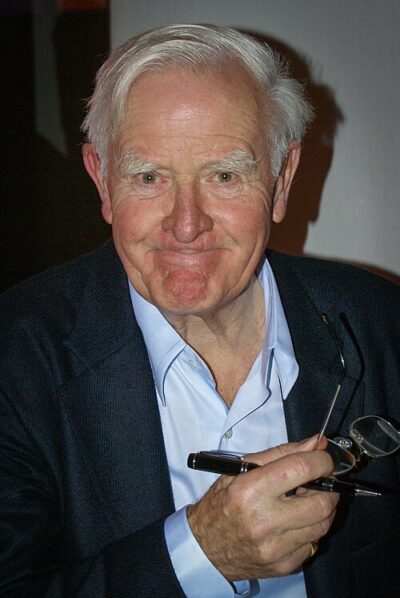
The Honourable Schoolboy
The Honourable Schoolboy is a 1977 novel by John le Carré. It is part of George Smiley series.
- Published
- 1977
- Came out
- 1977
- Written by
- John le Carré
- Genre
- spy fiction
- Country of origin
- United Kingdom
All 11 facts, and where they come from
Facts
11 facts · 0 confirmed by two sources · 0 cited · 11 from one source
Where this comes from
Papalocal keeps its own record. It started from these sources; what each one said is kept here as it was copied, so a change on their side never changes this page by itself. Tap one to read its version.
What Wikidata says · copied November 17, 2026 · revision 2561455256
- Described as
- 1977 novel by John le Carré
- What it is
- literary work
- Written by
- John le Carré
- Publisher
- Hodder & Stoughton Limited
- Genre
- spy fiction
- Published
- 1977
- Language
- English
- Country of origin
- United Kingdom
- Part of the series
- George Smiley series
- Comes after
- Tinker Tailor Soldier Spy
- Followed by
- Smiley's People
- Came out
- 1977
- Wikipedias with a page
- 9
Wikidata item Q1239133 (wikidata.org/wiki/Q1239133), public domain (CC0). Copied 2026-11-17.
What Wikipedia says · copied November 17, 2026 · revision 1384233076
The Honourable Schoolboy is a 1977 spy novel by the English author John le Carré. It follows the spymaster George Smiley and his agents as they attempt to carry out a successful offensive espionage operation in Southeast Asia while rebuilding the Circus following the events of Tinker Tailor Soldier Spy.
The Honourable Schoolboy was followed by Smiley's People, which together with Tinker Tailor Soldier Spy, make up the "Karla Trilogy". All three novels were later published as an omnibus edition titled Smiley Versus Karla or The Quest for Karla in 1982.
From the Wikipedia article “The Honourable Schoolboy” (en.wikipedia.org/wiki/The_Honourable_Schoolboy), by its contributors, under CC BY-SA 4.0 (creativecommons.org/licenses/by-sa/4.0/). Copied 2026-11-17; not changed.
Confirmed Two sources agree. Cited One source, and it names where it got it. One source One source, without a reference of its own. Sources disagree The sources disagree. We show the best-supported value and keep theirs below.